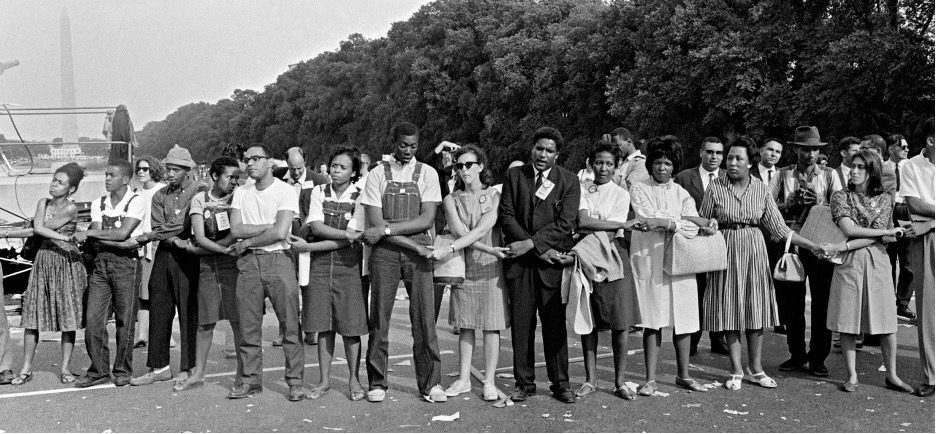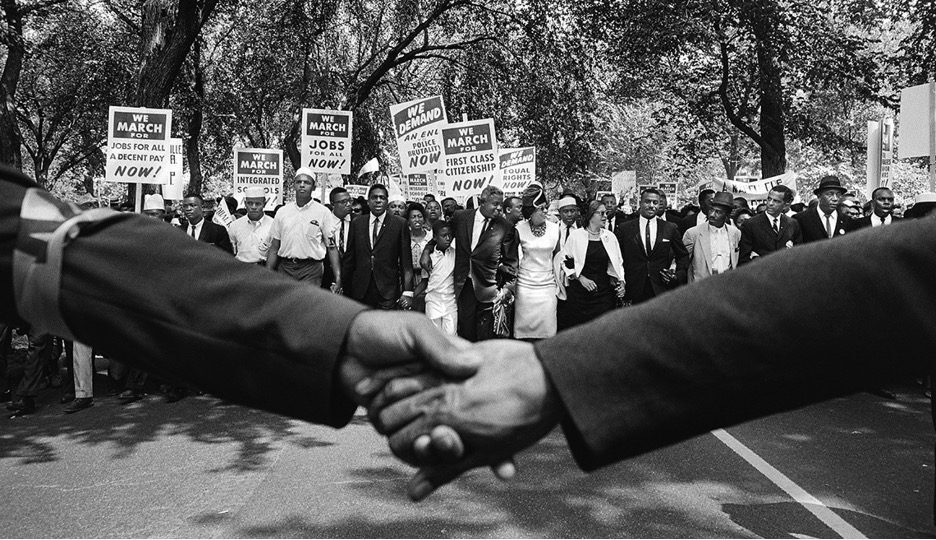
“This is not the day of the white man, not of the black man, but of man as man.”— Dr. Martin Luther King Jr.
Our Origins: Justice, Dialogue, and the Museum of Tolerance
Founded on the legacy of Simon Wiesenthal's lifelong pursuit of justice, accountability, and human dignity, the Museum of Tolerance took shape in 1993 amid the aftermath of the Los Angeles uprisings—a moment that demanded dialogue in the face of racial violence and systemic injustice. From its inception, the museum rejected the notion of museums as passive spaces of commemoration, instead positioning itself as an active forum for moral inquiry, civic engagement, and allyship across difference.
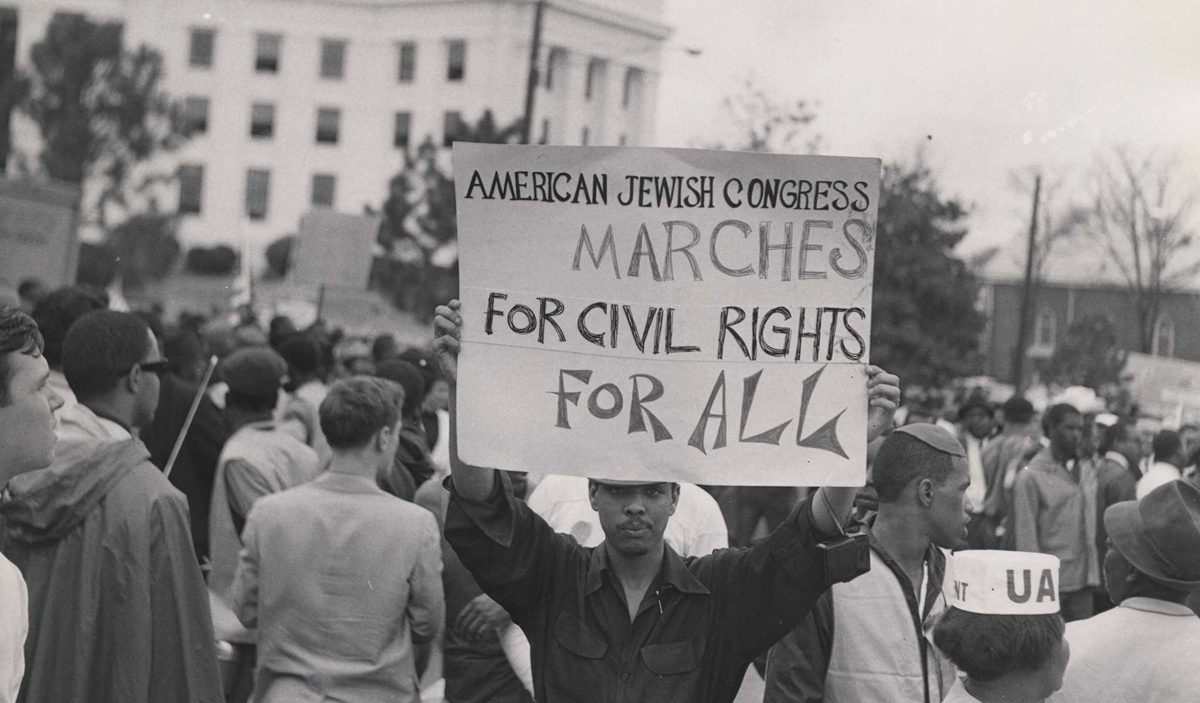
Guided by the voice of Dr. Martin Luther King Jr., whose words call us toward a shared humanity, visitors are invited to engage with the history of the Holocaust alongside varying histories, including the Modern American Civil Rights Movement. This intentional proximity honors both legacies, reminding us that systems of oppression—though they manifest differently across time and communities—often stem from the same roots.
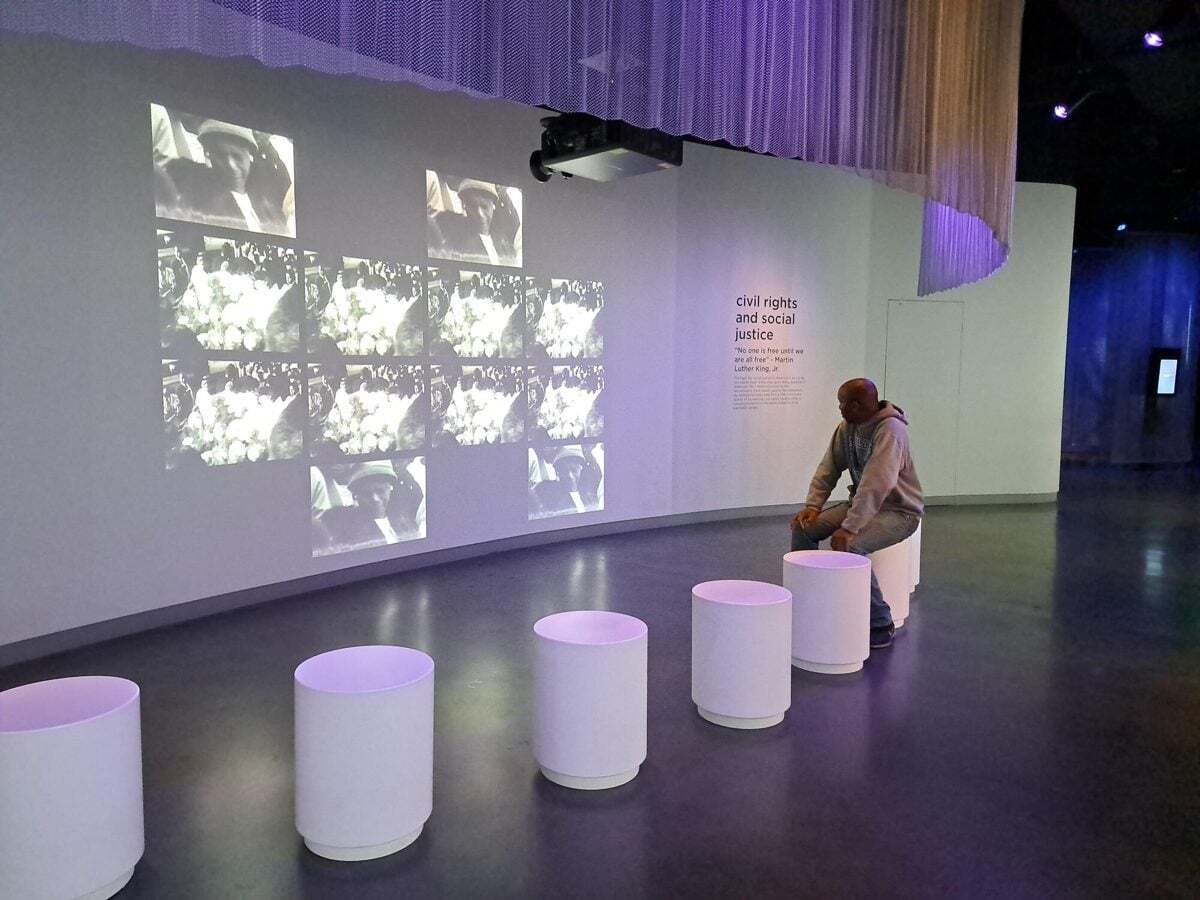
Holding Histories in Conversation: The Holocaust and The Civil Rights Movement
As Holocaust educators, it is our responsibility to bring together the trajectory of hate and oppression and make it visible and accessible for students to understand how these systems are formed, sustained, and ultimately transformed. Much like any bias or hatred, anti-Blackness and antisemitism do not exist in isolation; they share intertwined foundations shaped by apparatuses like eugenics, disinformation, and racial policy—forces that have inflicted lasting harm on Black and Jewish communities and continue to reemerge in the modern era through the rising tide of hate and violence.
Our approach to teaching these histories draws from established principles of Holocaust pedagogy and Dr. LaGarrette J. King's Black Historical Consciousness framework. At the heart of both is a shared commitment: holding systems of oppression up to scrutiny while never losing sight of the humanity of the people most affected by them. We ask learners not only what happened, but how it happened—and who benefited from the stories that were told, distorted, or erased along the way. Systems of oppression rely on simplified myths and monolithic narratives to justify harm. Storytelling, by contrast, disrupts those narratives, restoring complexity, agency, and voice to history.
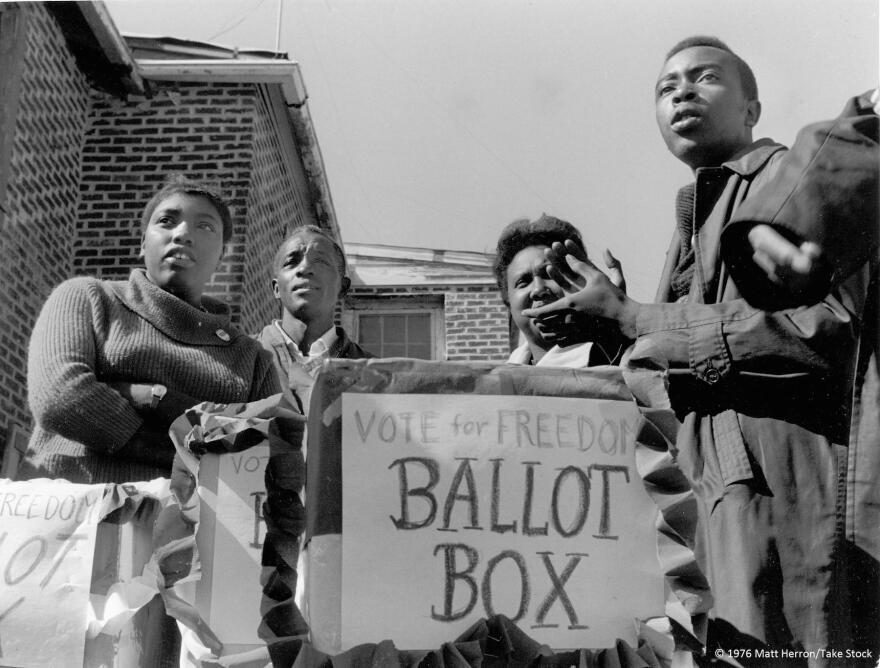
Understanding Oppression as a System, Not an Accident
At the Museum of Tolerance, this belief is reflected in our guiding principle to begin and end in story. We center testimony, lived experience, and narrative not as an artistic flourish, but as an intentional educational strategy. Story allows learners to recognize patterns, challenge falsehoods, and connect emotionally as well as intellectually to the past. Through the Civil Rights Movement, we examine how oppressive systems are built, how they evolve over time, and how they shape perceptions of Black communities in America. This work moves us beyond a model of allyship toward one of partnership—standing alongside individuals and communities impacted by interconnected systems of oppression. In doing so, we create learning spaces that honor the full complexity of human experience, affirming lives and legacies that are more than, and not defined solely by, suffering.
How Racism Was Made to Look "Scientific"
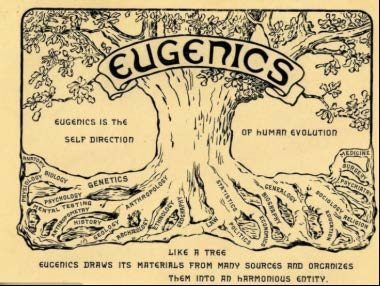
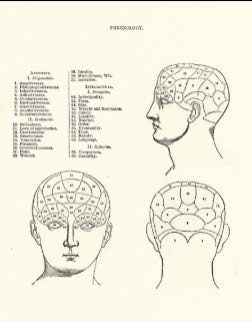
Too often, explorations of Black history focus on oppression without fully examining the systems that produced and sustained it. For racial oppression to take hold, those promoting racist ideas have historically sought legitimacy—often by cloaking those ideas in the language of science. In the 19th and early 20th centuries, pseudoscientific theories were used to construct and justify racial hierarchies in the United States.
False disciplines such as phrenology claimed that intelligence and moral character could be measured by skull shape, while eugenics promoted the idea that human traits—such as criminality, poverty, and mental illness—were biologically inherited and could be eliminated through selective breeding. These theories were not harmless misunderstandings; they were deliberately used to label certain people as dangerous, inferior, or unfit, providing a framework for exclusion, violence, and dehumanization.
When Pseudoscience Became Law
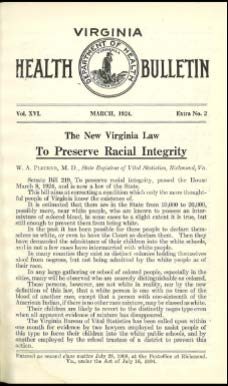
These pseudoscientific ideas did not remain abstract—they were embedded into law and policy. In the United States, anti-miscegenation laws banned marriage between Black and White individuals under the guise of preserving "racial purity." Similarly, in Nazi Germany, the Nuremberg Race Laws prohibited marriage between Jewish and non-Jewish people in the name of protecting "German blood and honor."
Rooted in the same false belief that humanity could be divided and ranked, these laws institutionalized separation and dehumanization. In Europe, they laid the groundwork for the Holocaust. In the United States, they sustained systems of segregation, racial terror, and lynching. While these histories are distinct, examining them side by side reveals how pseudoscience has repeatedly been used to legitimize injustice across contexts.
Service Without Belonging: The Paradox of Conditional Citizenship
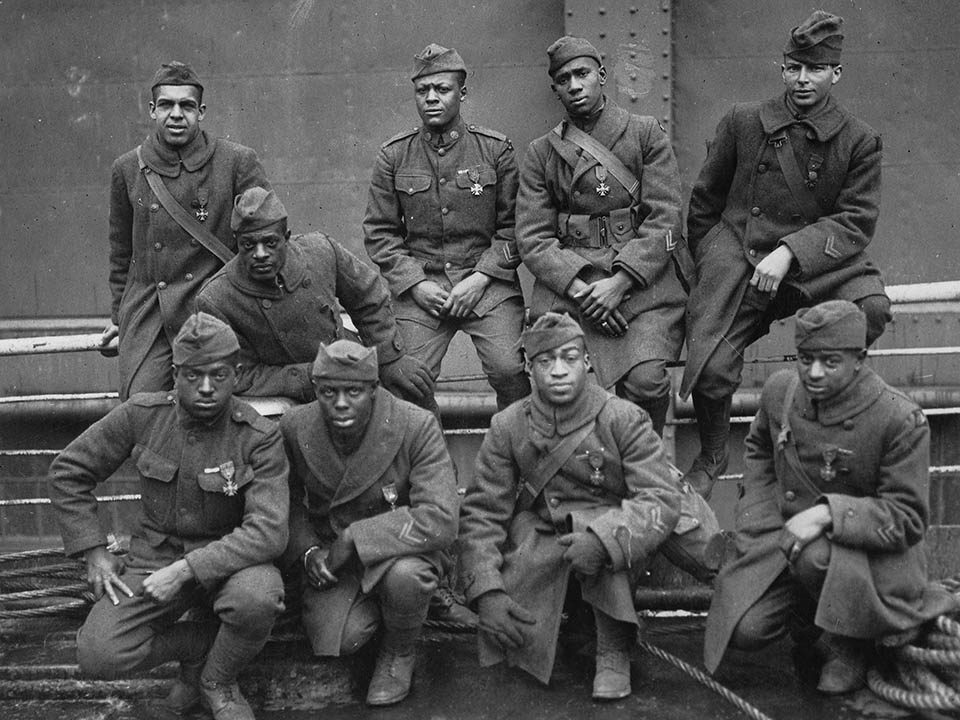
Alongside racist laws, social contradictions reinforced ideas of inferiority. In Nazi Germany, Jewish veterans who had served honorably in World War I were later stripped of rights and cast as outsiders. Their service did not protect them from persecution.
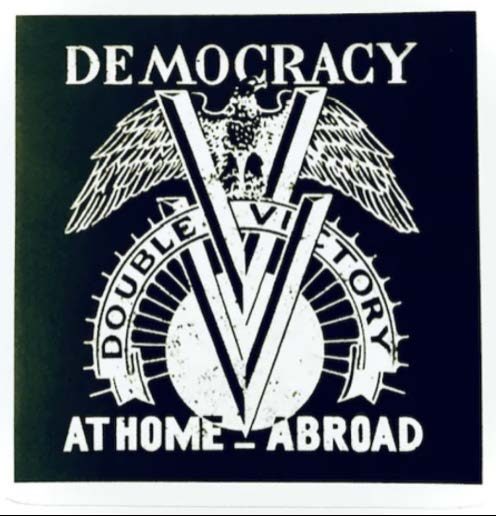
In the United States, Black Americans were similarly granted limited recognition only when their service aligned with national interests and did not challenge existing power structures. This contradiction was especially stark during World War II, when Black Americans were asked to fight fascism abroad while being denied basic freedoms at home. These examples are not meant to draw false equivalencies, but to illuminate how systems of oppression maintain control through division, fear, and exclusion—and how these patterns continue to reappear.
Challenging Narratives of Passivity and Silence
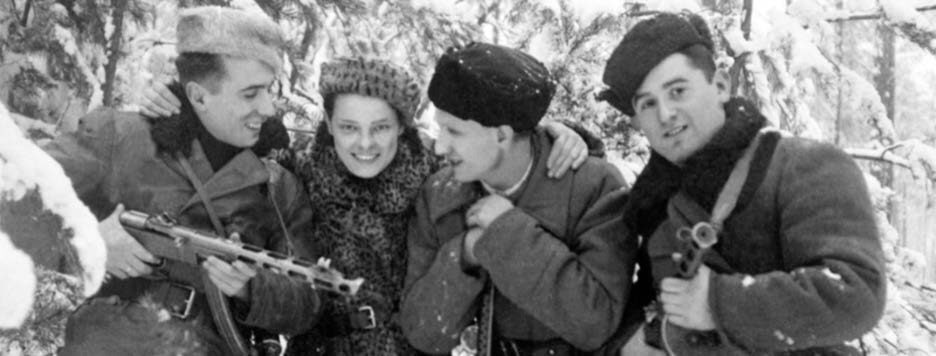
For many learners, the first introduction to Black history is through narratives centered almost exclusively on enslavement and violence—stories that flatten lived experience and obscure resistance, creativity, and self-determination. Similarly, Holocaust educators often encounter the false belief that Jewish victims were passive or helpless in the face of genocide.
Survivor testimony and personal narrative challenge these distortions. They expand our understanding of history by restoring agency, emotional depth, and complexity. Drawing on frameworks such as Black Historical Consciousness, we encourage learners to engage with history through story—recognizing resistance, resilience, and humanity alongside injustice. In doing so, we move beyond simplified narratives and toward a fuller, more truthful understanding of the past.
Why This History Matters Now: Learning to Action
As educators, we have a responsibility to help learners recognize warning signs, identify patterns, and understand how systems of oppression fuel division and isolation. History is not distant, and it does not exist in isolation. The choices societies make—about whose stories are told, whose humanity is recognized, and whose suffering is ignored—shape the present.
Protecting the most essential parts of our world—our shared humanity and our capacity to build a more just future—requires active engagement from all of us.
Taking Action in Your Learning Spaces
Make the Local Legible: Center the histories in your own backyard. Uplift untold stories of individuals who advanced civil rights through allyship, solidarity, and inter-community action.
Lead with Creativity and Innovation: Invite learners to be creators, not just consumers of history. Position art, writing, dialogue, and design as forms of resistance and renewal. Treat imagination as a civic skill.
Choose Dialogue Over Division: Oppressive systems seek to isolate. Classrooms can connect. Build bridges through structured conversation, curiosity, and deep listening. Lead with questions before conclusions.
Honor Emotion as Knowledge: Let emotionality be part of the learning experience. Not only is emotion a source of learning, but it is a catalyst for social change. Make space for reflection, deep feeling, and processing. Social change rarely begins without it.
Design Brave Spaces for Limitless Futures: Encourage learners to envision the communities and societies they wish to see. Change comes when it can be imagined.