
“To be aware of your pain is very important, then surround yourself with people who understand and validate your story. Share your story and decide not to be a victim. Try to move forward.”— Henriette Mutegwaraba, Survivor
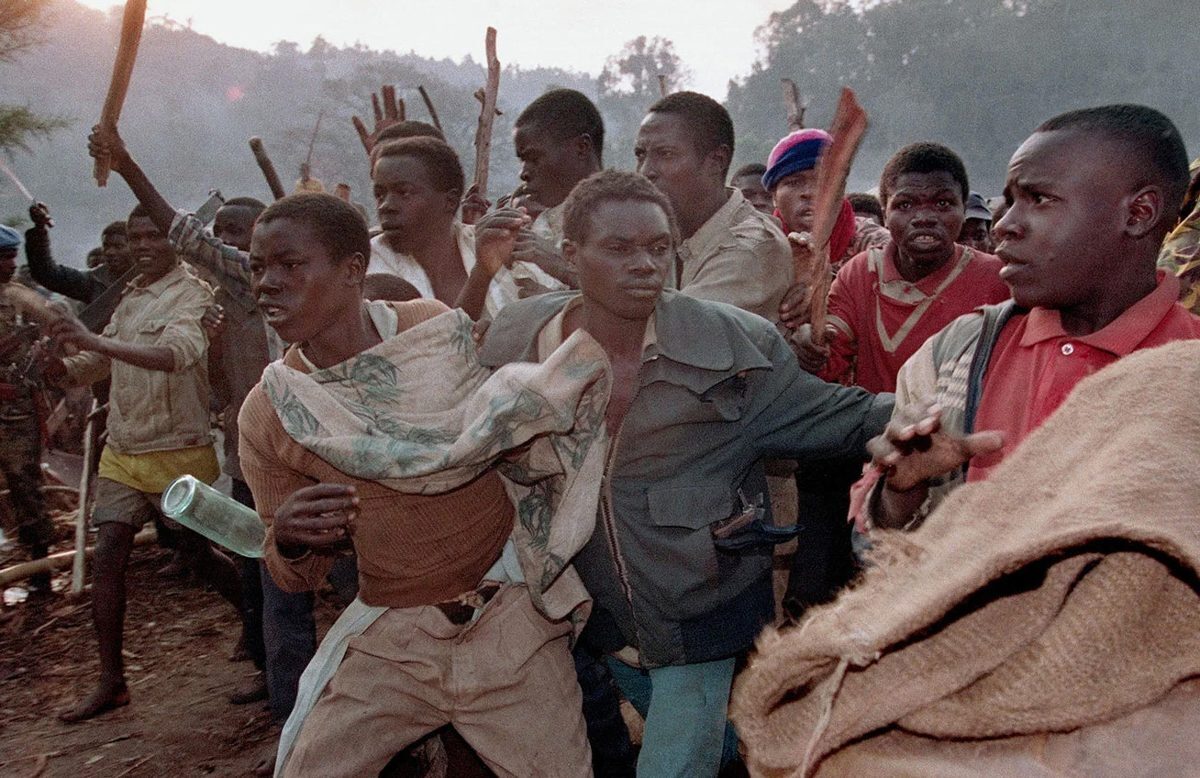
The Genocide against the Tutsi in Rwanda refers to the systematic mass killing of Tutsi people and Hutu moderates, beginning in April 1994. Over 100 days, Hutu extremists, driven by decades of pre-existing division and incendiary propaganda, murdered approximately 800,000 people, representing about 75 percent of the Tutsi population (United Nations). While the genocide employed many familiar tactics of genocide—including forced categorization, dehumanization, state-driven propaganda, and organized, targeted violence—it was distinct in its intimate nature. Much of the killing unfolded within neighborhoods, villages, and communal spaces, where perpetrators and victims often knew one another as friends, neighbors, coworkers, or family members, underscoring the unique nature of this violence, and highlighting the multiple expressions and patterns genocide can assume across history.
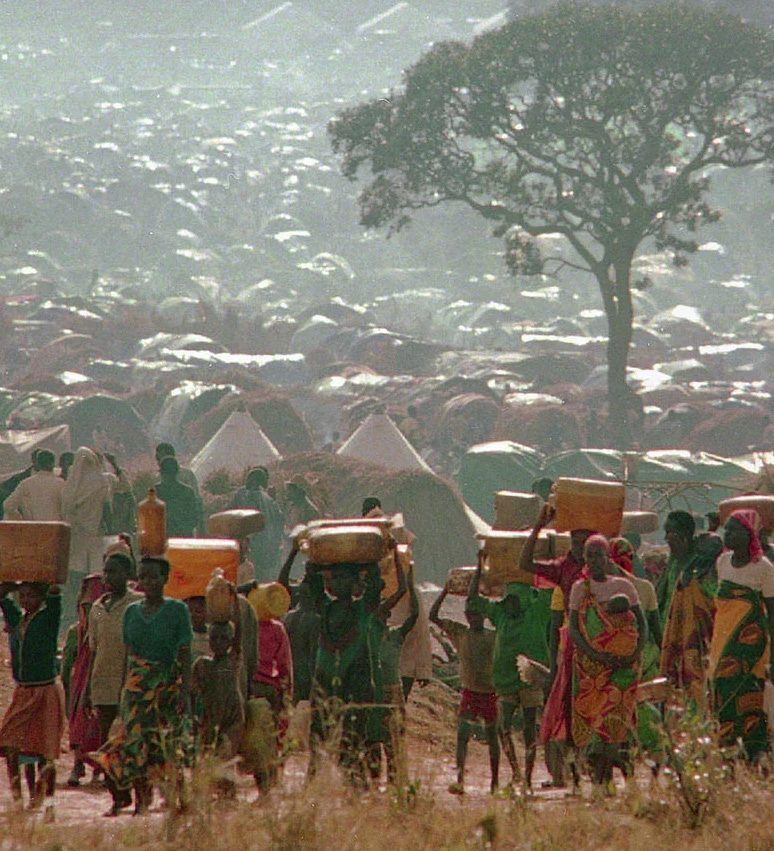
Who are the Hutu, Tutsi, and Twa People?
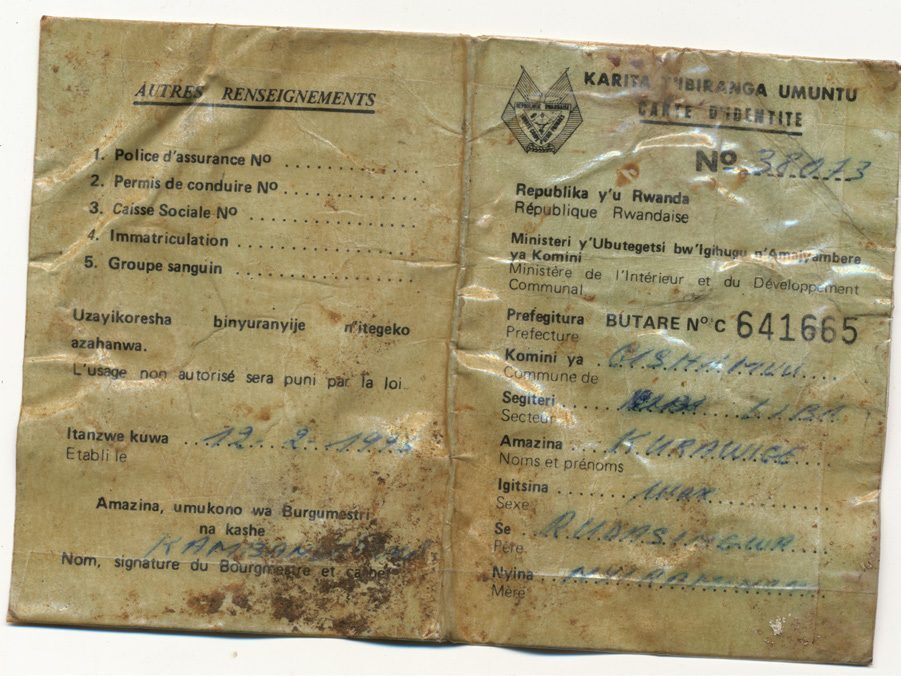
“Growing up in Rwanda, we had an ID card that was introduced in Rwanda by the Belgians to divide the Rwandan population along ethnic lines. But unfortunately for us, this ID system was continued in post-independence Rwanda by Hutu regimes who felt they could use this same ID system as a way to monopolize power by discriminating against Tutsis. So, growing up in Rwanda, I was well aware even before the genocide that Tutsis—my ethnic group—were considered second-class citizens.”— Jacqueline Murekatete
Before German colonization in 1897 and Belgian colonization in 1916, Rwanda was a monarchy led by a Mwami (king), with Hutu, Tutsi, and Twa organized largely by socio-economic roles within a fluid caste system. Hutu, the largest population, were primarily farmers, Tutsi were seen as the aristocratic and warrior class, and Twa were hunter-gatherers occupying the lowest social position.
Belgian rule shifted these social categories into racial identities, elevating Tutsi communities while placing Hutu and Twa at the bottom of the class system—reshaping Rwanda’s social and political landscape and deepening pre-existing divides. Practices such as the imposition of mandatory ethnic identity cards further entrenched these constructed divisions and deepened the rifts between groups.
How Did the Genocide Begin?
Note: To understand the Genocide against the Tutsi in Rwanda, it is crucial to acknowledge that genocides arise from multiple, interconnected catalysts; reducing the event to a single cause risks erasing the long history of injustices that shaped its violent outcomes. This learning module focuses only on the events emerging in the 1990's--the height of violence and propaganda--ultimately leading to the genocide in April 1994. We encourage learners to explore these vast histories to better understand how hatred and division can shape societies and become catalysts for violent actions.
In 1990, the Rwandan Patriotic Front (RPF)—a predominantly Tutsi political and military organization—launched an offensive that initiated a civil war in response to escalating violence and discrimination against Tutsi communities by Hutu extremists. The conflict, which continued until 1994, reached a military stalemate and, amid mounting public unrest and political pressure, compelled both sides to enter negotiations that led to the drafting of a peace agreement. In 1993, President Juvénal Habyarimana signed what was known as The Arusha Accords, which acted as a peace treaty between the Rwandan Government and the RPF.
Soon after the peace treaty, President Habyarimana’s plane was shot down under mysterious circumstances, triggering Tutsi scapegoating and violent reprisals. The case remains unsolved.
What Role Did Propaganda Play in the Violence Against the Tutsi?
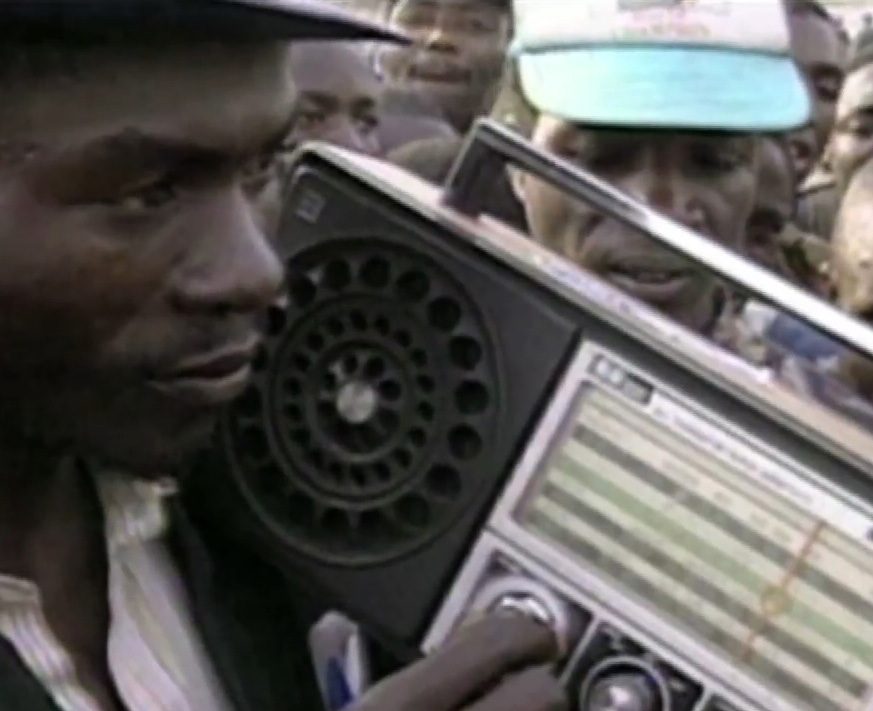
“I remember RTLM broadcasting songs conveying hatred and demonizing the Tutsi. The songs would openly call for our extermination. Political slogans were translated into song and young people were mobilized into youth movements. These youth movements were key to executing the genocide.”— Claver Irakoze
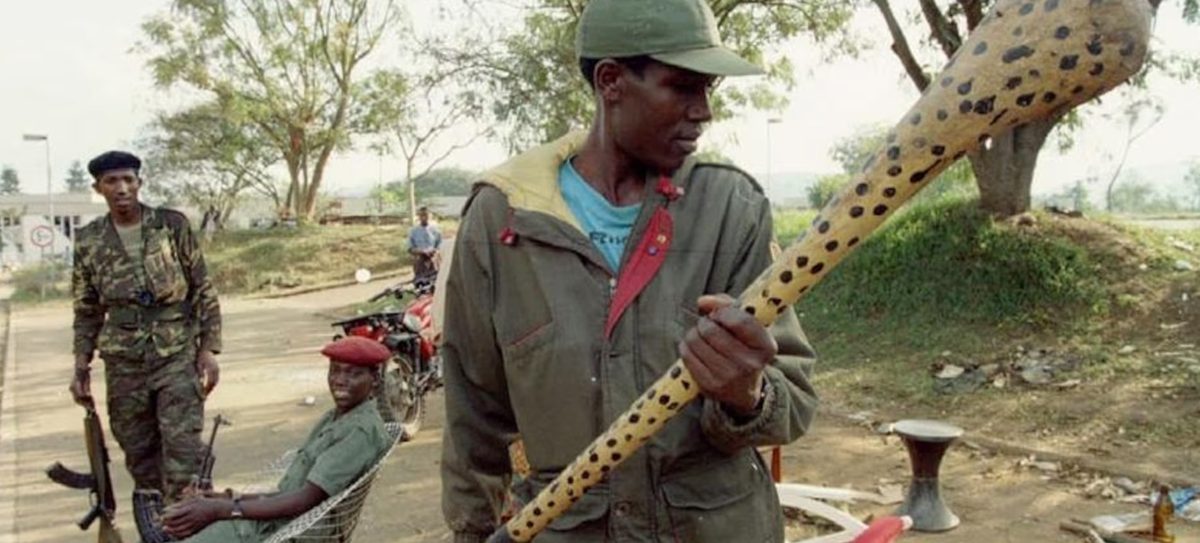
Following the assassination of President Juvénal Habyarimana in 1994, radio and print media intensified a propaganda fueled campaign aimed at dehumanizing Tutsi people, referring to them as “cockroaches” and urging violence against them. The most infamous outlet was Radio-Télévision Libre des Mille Collines (RTLM), also known as “Hutu Power Radio” or “Radio Genocide.”
RTLM not only incited violence but also mobilized the Interahamwe and ordinary citizens, urging neighbors and relatives to target Tutsi community members and Hutu sympathizers. Its widespread propaganda transformed long-standing prejudice into mass participation in violence.
How Did Individuals Show Courage and Compassion in the Face of Violence?
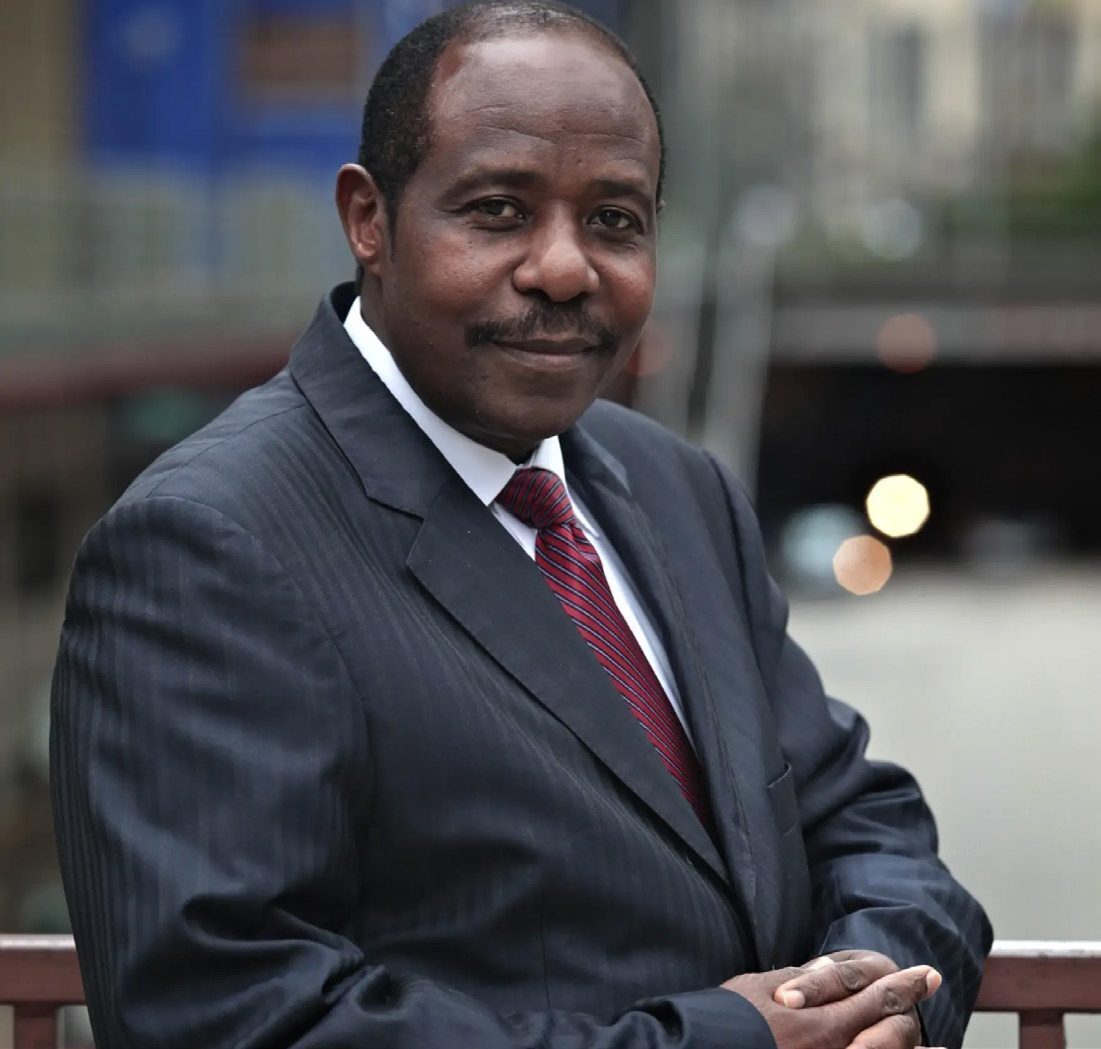
“This is why I say that the individual's most potent weapon is a stubborn belief in the triumph of common decency.”— Paul Rusesabagina
Paul Rusesabagina, a Hutu and manager of the Hôtel des Mille Collines in the capital city of Kigali, provided refuge to Tutsi people when violence erupted. To protect them, he convinced Hutu soldiers with money and luxury goods from the hotel, ultimately saving the lives of 1,200 people.
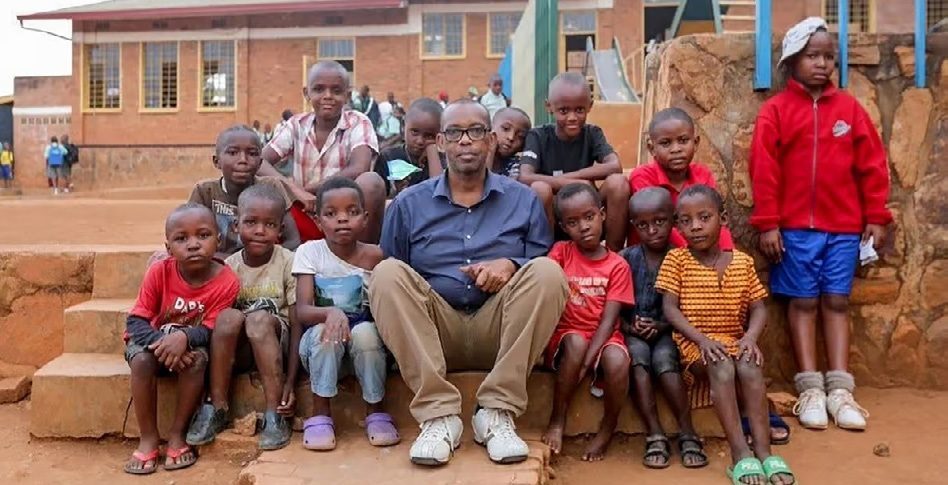
“I could not abandon my neighbors, I could not abandon my children, children I had raised and who had grown up before my eyes. I see all people in my own image. They have the same blood that I have, and they can suffer as I can suffer”— Damas Gisimba, In an interview with USHMM.
Damas Gisimba was the director of an orphanage in Kigali. Gisimba turned the orphanage into a safe haven for Tutsi seeking shelter, kept Hutu soldiers away, and saved the lives of 400 people. His actions also resulted in him receiving the Presidential Order of Umurinzi.
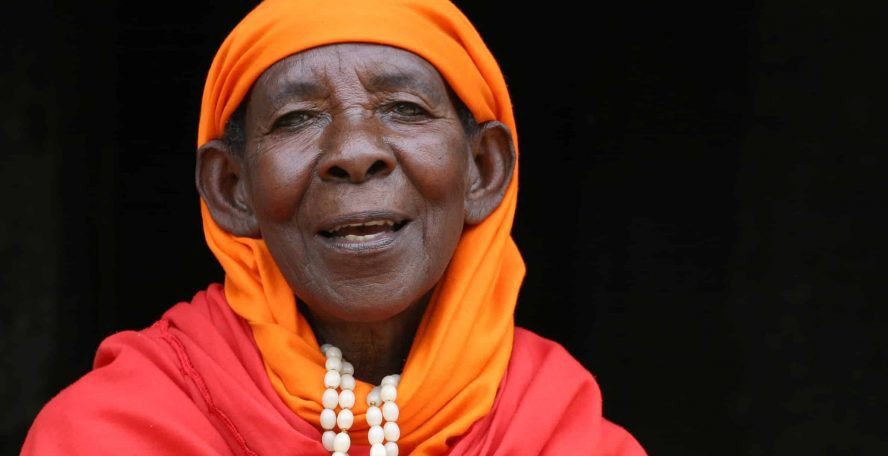
“If you want to love, you start with your neighbor”— Sula (Zula) Karuhimbi
Sula (Zula) Karuhimbi came from a long line of healers, and those who had hid Tutsi people during times of conflict. As a healer woman, she used the tactic of instilling fear in Hutu perpetrators to keep them away from those she was hiding. Many believed her to have the ability to summon “Nyabingi” or malevolent spirits, and often she used that belief to threaten those who sought to harm the people she was hiding. Her actions saved the lives of 100 people during the genocide. Karuhimbi continued to care for those she sheltered, even after the genocide ended.
What Brought an End to the Genocide?
As the genocide unfolded, the international community largely mischaracterized the violence as a “civil war” or an “internal conflict,” a framing that contributed to global inaction. Despite urgent warnings and repeated pleas for intervention from figures such as UN General Roméo Dallaire, requests for additional support and humanitarian assistance were denied. Reflecting on this failure years later, President of the UN General Assembly Philémon Yang observed, “Despite early warnings, despite clear signs of impending catastrophe, the world stood by as the killing unfolded. Governments debated while cries for help went unanswered, while lives were lost.”
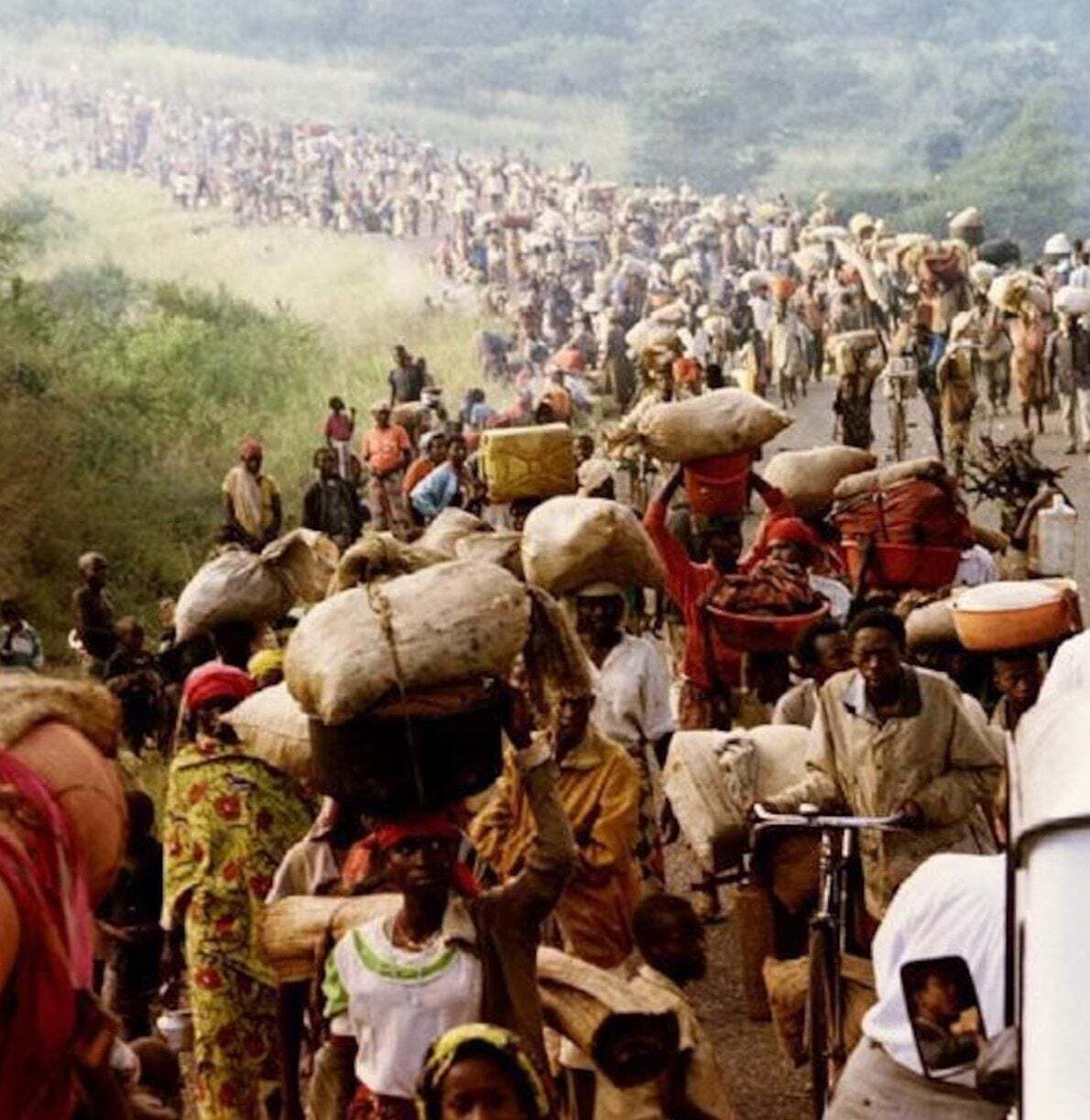
After 100 days of mass violence, the Rwandan Patriotic Front (RPF), led by Commander and future President Paul Kagame, advanced into Kigali and overthrew the Hutu-led government, bringing the genocide to an end. In the aftermath, many perpetrators fled Rwanda into neighboring countries to evade capture and prosecution.
What was Life Like After the Genocide?
The pursuit of justice was especially painful, as many of the perpetrators were friends, neighbors, and community members of the victims who had suffered immensely. Over 120,000 perpetrators were detained and accused of war crimes.
To address the large number of perpetrators, two criminal courts were established, the UN backed International Criminal Tribunal for Rwanda (ICTR), and the community led Gacaca Courts. Similarly to the Nuremberg Trials, the ICTR brought to justice 62 high level individuals whose actions directly contributed to the genocide.
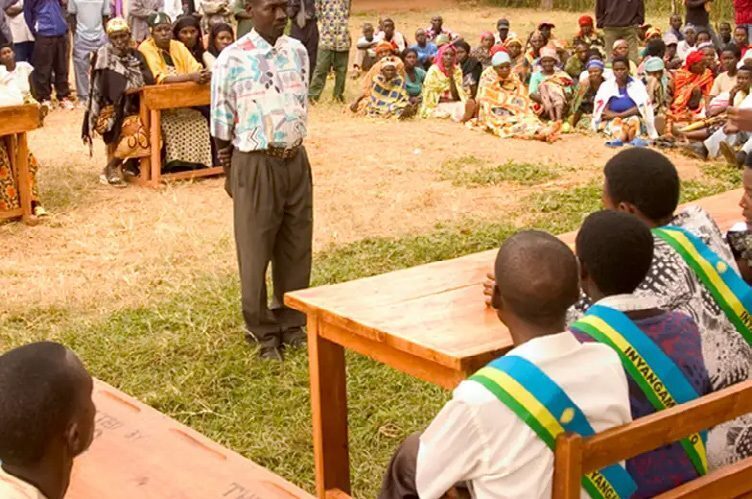
The Gacaca Courts, led by community members, represented a form of transitional justice that placed testimony and victim narratives at the center of healing and accountability after the genocide. Gacaca, meaning “short grass” — a reference to the open spaces where communities would gather to problem solve — was a pre-colonial Rwandan practice dating back to the 17th century. Traditionally, overseen by local leaders under a monarch, this model later inspired the community-led courts established after the genocide. These courts centered on testimony, reconciliation, and unity, hearing thousands of cases and bringing many perpetrators to justice. Gacaca created a space where victims could share their experiences publicly, while perpetrators were given the opportunity to confess their crimes and seek reconciliation within their communities.
In addition, reconciliation villages were established—often led by women—that brought Hutu and Tutsi, perpetrators and survivors, to live side by side. Through shared community activities and collaborative rebuilding, these villages fostered trust, healing, and steps toward a more unified Rwandan society.
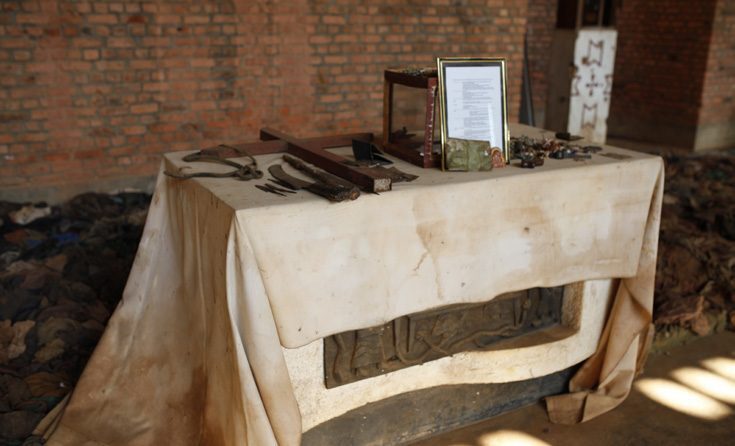
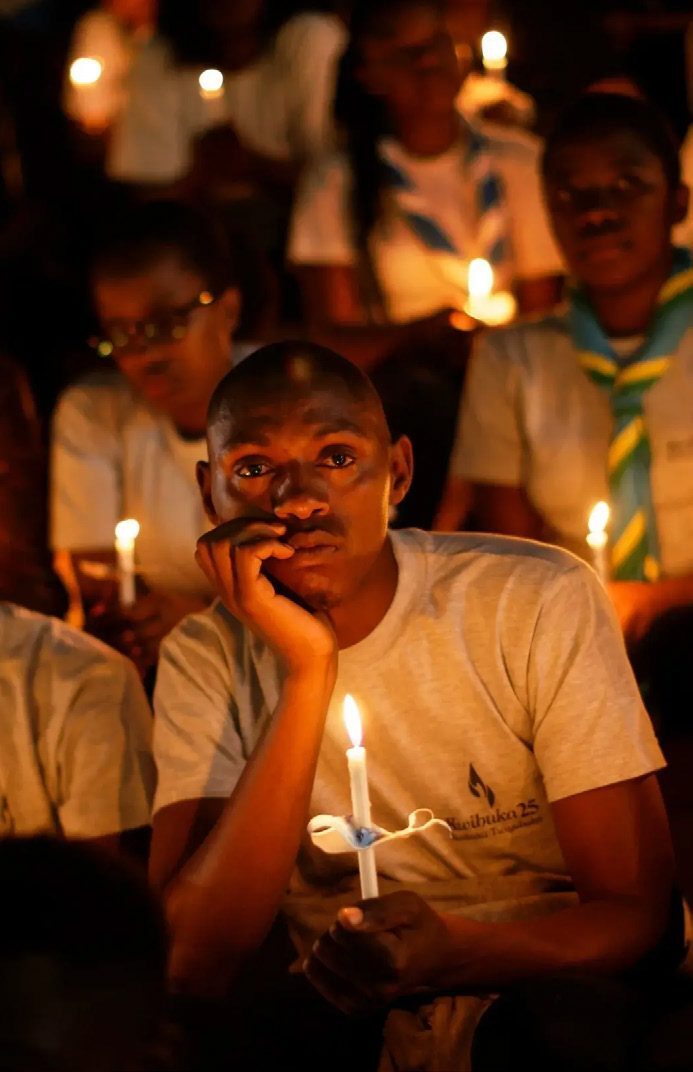
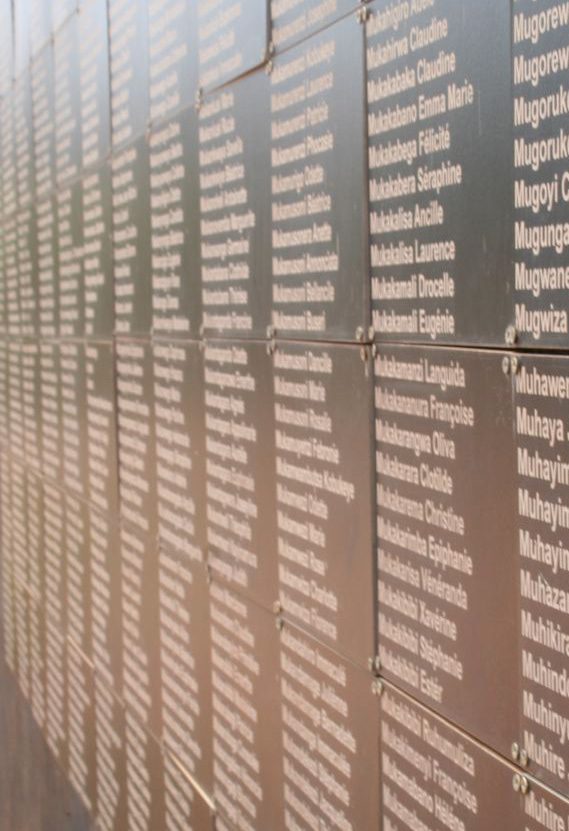
To this day, The Rwandan people continue practicing peacebuilding efforts by bringing awareness and education at the Kigali Memorial Museum, unification efforts through youth-led grassroots movements, and ongoing community peace initiatives. Rwanda’s efforts towards peace and unification, although not always linear or simple, remind us that reconciliation takes active and frequent participation on both individual and community levels.
Key terms
- The Arusha Accords
- The Arusha Accords, signed in Arusha, Tanzania, were a series of five agreements intended to bring peace between the Rwandan Patriotic Front and the Rwandan government. Although signed, the accords ultimately failed due to disputes over implementation, logistical challenges, and deep divisions among negotiators. Their failure—combined with the assassination of President Juvénal Habyarimana—served as a critical precursor to the genocide that began in April 1994.
- Gacaca Courts
- Gacaca, meaning “short grass”—a reference to the open spaces where communities would gather to solve problems—was a pre-colonial Rwandan practice dating back to the 17th century. Traditionally overseen by local leaders under a monarch, this model later inspired the community-led courts established after the genocide. These courts centered on testimony, reconciliation, and unity, hearing thousands of cases and bringing many perpetrators to justice. Gacaca created a space where victims could share their experiences publicly, while perpetrators were given the opportunity to confess their crimes and seek reconciliation within their communities.
- The Genocide Against the Tutsi in Rwanda
- Formerly referred to as “The Rwandan Genocide,” the United Nations in 2018 officially adopted the term “The Genocide Against the Tutsi in Rwanda.” This change was made to center the targeted victim group and to give greater recognition and emphasis to their experience.
- Interahamwe
- Interahamwe, meaning “those who work together,” was a Hutu paramilitary group that strongly supported the “Hutu Power” movement. Its members were among the main perpetrators of the 1994 genocide. During the genocide, Interahamwe expanded beyond enlisted military members and became a title for anyone committing violence against the Tutsi or Tutsi sympathizers.
- Nuremberg Trials
- The Nuremberg Trials, held from 1945 to 1946 under the leadership of the Allied powers, brought high-ranking Nazi war criminals to justice. These proceedings not only held perpetrators accountable but also set important precedents for the development of international criminal law.
- Paul Kagame
- Paul Kagame, the current President of Rwanda and former commander of the Rwandan Patriotic Front (RPF), played a pivotal role in ending the genocide by leading the overthrow of Hutu forces.
- Propaganda
- Propaganda is the strategic dissemination of biased or misleading information about political or social issues, designed to shape public opinion and action. When effectively presented, it can integrate seamlessly into television, literature, art, and other media, appearing as mainstream content.
- Scapegoating
- Scapegoating occurs when an individual or minority group is falsely blamed for causing problems within a community, shifting responsibility away from the true source. This deflection often fosters hostility toward the targeted group and prevents meaningful solutions to the real issues.
- Transitional Justice
- Transitional justice is a judicial and community-based approach to addressing human rights violations and mass atrocities. At its core, it centers the experiences and voices of victims, often relying on personal testimony as a pathway to truth and accountability. Transitional justice can take many forms depending on the culture, history, and needs of the affected community. While approaches vary, the process consistently requires broad participation and investment from society as a whole, seeking not only justice but also healing and reconciliation.