You don’t just inherit the public’s trust. You add to it.
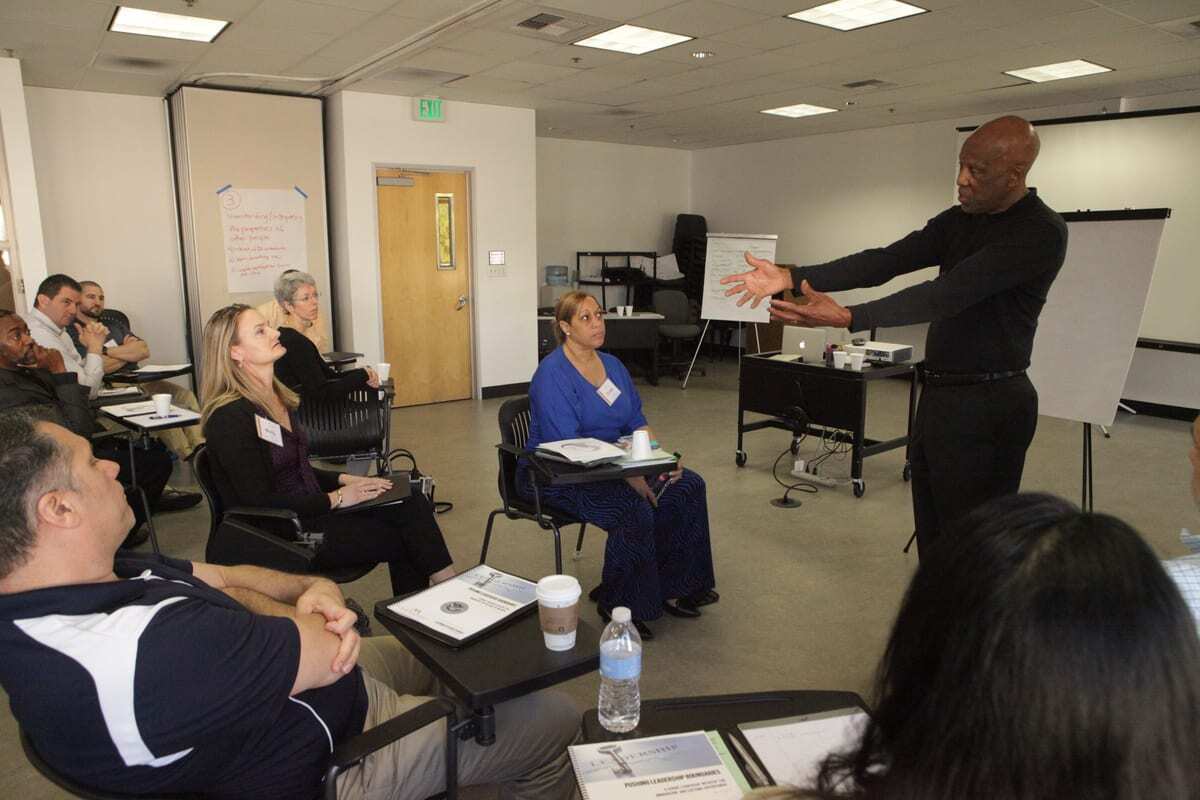
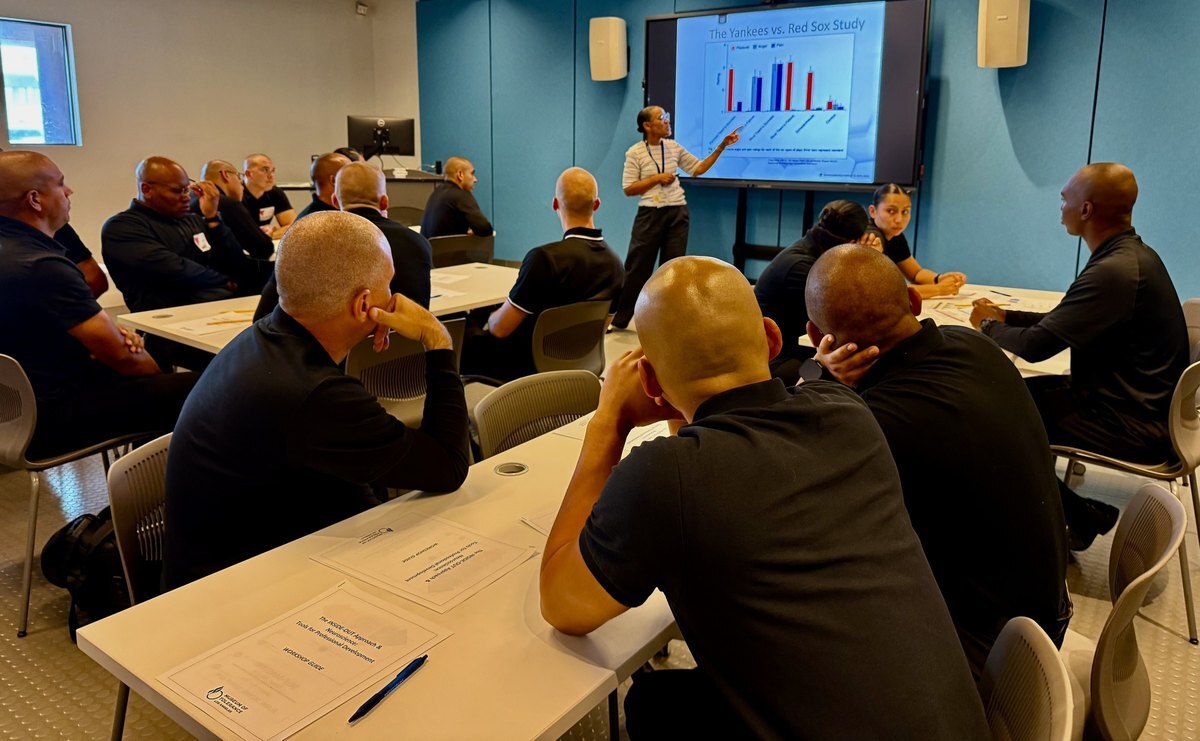
That happens one interaction at a time, across law enforcement, fire, and EMS — yours included. Trust is the foundation that makes public safety work; each encounter either builds the balance the public carries into the next one or draws it down, compounding across careers, agencies, and the communities you serve. You are a contributor to the history of public safety, not a witness to it. This program builds the structural literacy to see how that trust was built, locate where you stand in it now, and find the specific places — a call, a shift, a policy, a department — where you have the agency to make a different contribution.
Public safety runs on legitimacy — the trust a community extends to the people who carry its authority. That trust is never fixed: every interaction is a deposit into it or a withdrawal from it, and the balance you inherit was set long before you arrived. History didn’t end; it became the laws, the training, and the community relationships you operate inside now. Structural literacy is the professional capacity to read that — to situate your practice in the longer story, see where you stand, and act from clarity rather than habit, closing the gap between doing the job right and being experienced as legitimate. You are a contributor to the history of public safety, not a witness to it.
Trust isn’t built by law enforcement alone. These courses are POST-certified and built for law enforcement first, and they now bring fire, EMS, and public safety partners into the same room — because the conversation that moves trust is a cross-sector one. Your historic partnership is the anchor; the expansion widens the table, it doesn’t move you from it.
You are a contributor to the history of public safety, not a witness to it.
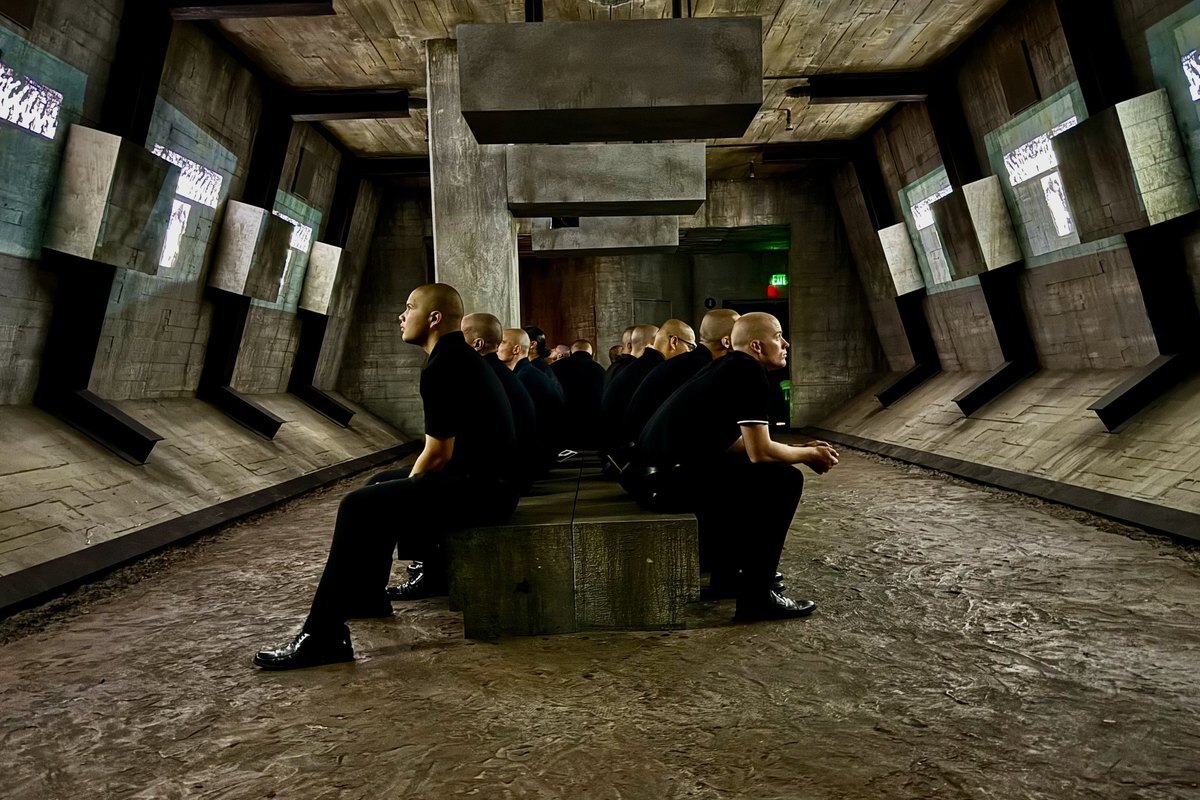
If you know these programs, know that the core has been rebuilt. The newly revised Cultural Diversity series runs in three tiers, aligned to where you are in the work — Individual Leadership for those entering the profession, Dialogue & Trust for those deepening their practice in the field, and Systems & Legitimacy for the command staff and senior leaders responsible for an institution’s culture. Each is current and rigorous, built the way MOT has always taught: we begin in story, with survivor testimony; the exhibits and primary sources are tools for structural analysis, not backdrop; dialogue is how we learn; and emotion is treated as information, not something to move past.
You leave with a set of practices — slow down, notice, name, choose — the capacity to hold empathy and accountability at once, and the clarity to find, in a single call or a department-wide policy, where a different choice becomes a deposit rather than a withdrawal. That’s where the work compounds: across a shift, a career, an agency, and the communities you serve.

We begin in story
Survivor testimony is the entry point. The exhibits and primary sources are tools for structural analysis, not backdrop. Dialogue is how we learn, and emotion is treated as information, not something to move past.
For recruits and personnel new to any public safety agency. The entry point: what it means to carry delegated authority on behalf of a democratic public, and how professional discipline in everyday interactions either builds or erodes the trust that makes the work possible. Through museum exhibits, survivor testimony, cognitive-skills instruction, and structured scenario practice, you build the professional identity and behavioral commitments that let you exercise authority with legitimacy — one deposit at a time.
For personnel deepening their practice in the field, with law enforcement, fire, and EMS in the same room. Where Tier 1 asks how an individual holds authority without eroding legitimacy, Tier 2 asks the harder question: why professionalism alone doesn’t generate trust — and what does. You examine the structural roots of the trust gap, the cross-sector authority cultures that create friction in field operations, and the communication frameworks that make interaction across difference work. Survivor testimony and the exhibits function here as tools for structural analysis. You leave with a specific language commitment and a peer accountability structure to carry it.
For command staff and senior leaders — those responsible not only for their own conduct but for the cultures, policies, and practices of the institutions they lead. Tier 3 asks the hardest version of the question: how do you keep your institution from losing legitimacy — and what is your role in the fact that it already has? Through survivor testimony, exhibit engagement, historical and institutional analysis, and a structured action-planning process, you develop the leadership frameworks, diagnostic tools, and structural commitments to exercise institutional authority with accountability — and to redirect institutional drift before it hardens.
Tools for Tolerance for SLI. Using the museum environment, the course extends themes from prior SLI sessions — scapegoating, proactive versus reactive mindsets, groupthink, self-rationalization, responsibility and accountability — and introduces new ones, including advocating dissent and the nature of fear, all at the nexus of diversity and leadership.
Prepares instructors to teach the five-hour racial and identity profiling course and the two-hour refresher, meeting the requirements of 13519.4 PC and AB 953. Through discussion, exercises, and video, participants demonstrate proficiency with an evaluated teach-back.
A refresher that deepens understanding of racial and identity profiling and the legal, moral, and ethical boundaries around it — covering definitions, legal considerations (the 4th and 14th Amendments and California law), ethics, and community-centered practices.
Every course in the suite is POST-certified and covered under POST Plan IV. For California law enforcement, nothing about that has changed: POST-participating individuals and agencies receive credit through EDI, and program costs and travel are covered by the grant. If you’ve trained with us before, the courses you know are still here — revised, still certified, still credit-bearing.
Public safety is a shared profession, and these courses are built for all of it — law enforcement, fire, EMS, and the agencies that serve a community side by side. California law enforcement earns POST/EDI credit, as it always has; fire, EMS, and other non-POST personnel and agencies are just as welcome, and just as essential to the conversation. That cross-sector room is the point — it’s where the work actually moves.
The newly revised series carries the same certification under updated names: Individual Leadership — TOOLS I; Dialogue & Trust — TOOLS III; Systems & Legitimacy — Command Staff. The specialized courses are POST-certified as well — and the two Racial and Identity Profiling courses meet the 13519.4 PC and AB 953 requirements.
Trainings are offered in person at the Museum of Tolerance, and the newly revised courses are ready for regional delivery across California. Online versions are in development.
We won’t claim a training closes the trust gap. It can’t — closing it is the slow work of many deposits, made by many people, over time. What this program offers is more honest, and more durable: the capacity to see the gap clearly, locate where you stand in it, and make a different contribution — the first deposit in a longer account.
Add to it.
You inherited a balance of public trust you didn’t set, and every interaction — yours, your shift’s, your agency’s — either builds it or draws it down. This is where you begin: in the same room as the people you work alongside, learning to read the history you’re standing in and to act from clarity rather than habit. Bring your department, and the cross-sector partners who share your community. The balance starts to move from there.
Schedule a Training
Trainings are offered in person at the Museum of Tolerance and are ready for regional delivery across California.