“The land is our history, our present, and our hope for the future. Every mountain holds the stories of ancestors, every river carries their songs, and every tree stands as witness to our history.”— Unknown
Spaces and places carry significant historical and emotional weight. Every environment we enter is layered with the histories of the people, events, and communities that have shaped it, even when those stories remain unspoken or unfamiliar to us. Anthropologist Tim Ingold reminds us that “the landscape tells—or rather is—the story of the people who dwell within it.” He emphasizes that landscapes are not passive settings but active processes, shaped by the movements, routines, actions, and memories of those who inhabit them. Building on these active processes that shape landscapes, geographer Yi-Fu Tuan distinguishes place from space, noting that “place is space made meaningful.” It is through human actions, memories, and interpretations that a location gains significance—informing which narratives are remembered, centered, or overlooked. Engaging with place through this lens helps learners recognize how both visible and concealed histories continue to influence our understandings of community, memory, and identity.
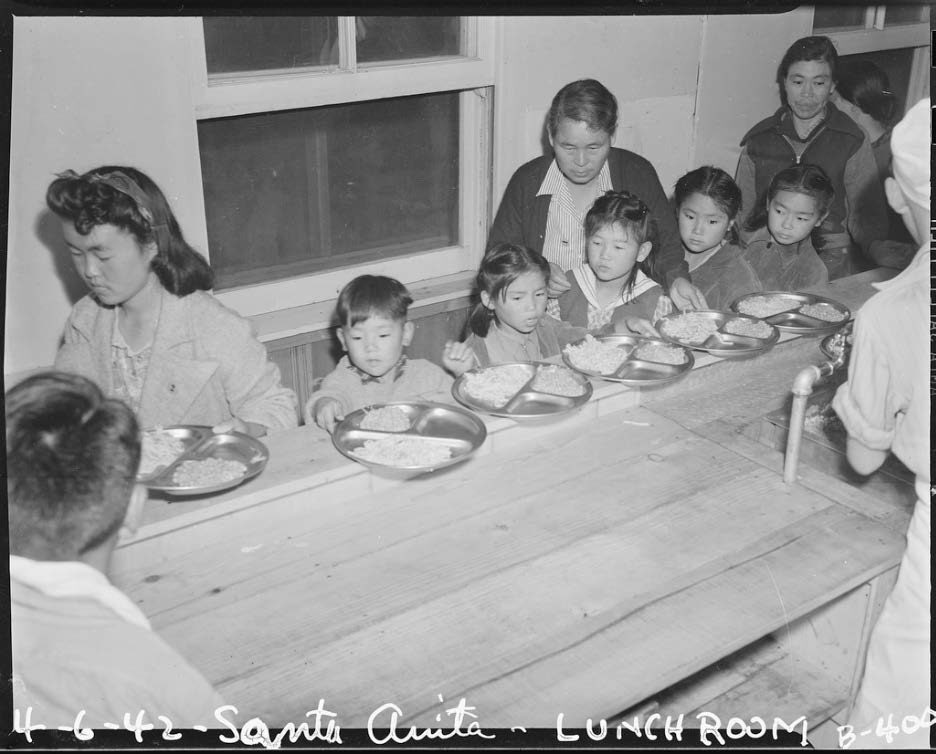
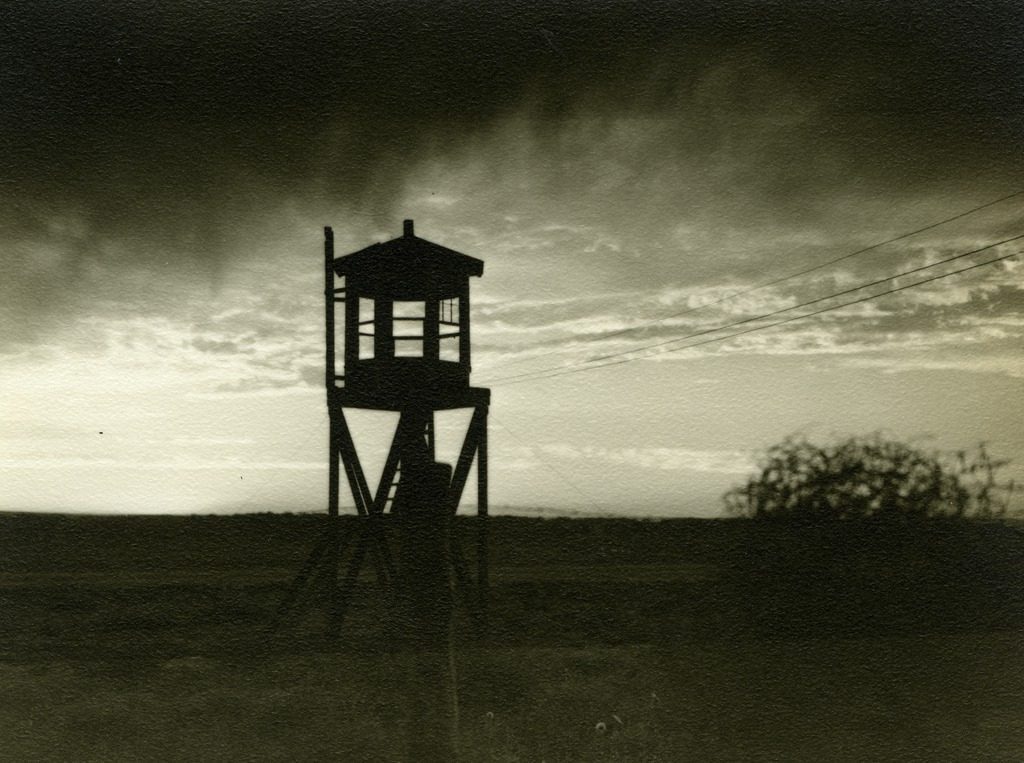
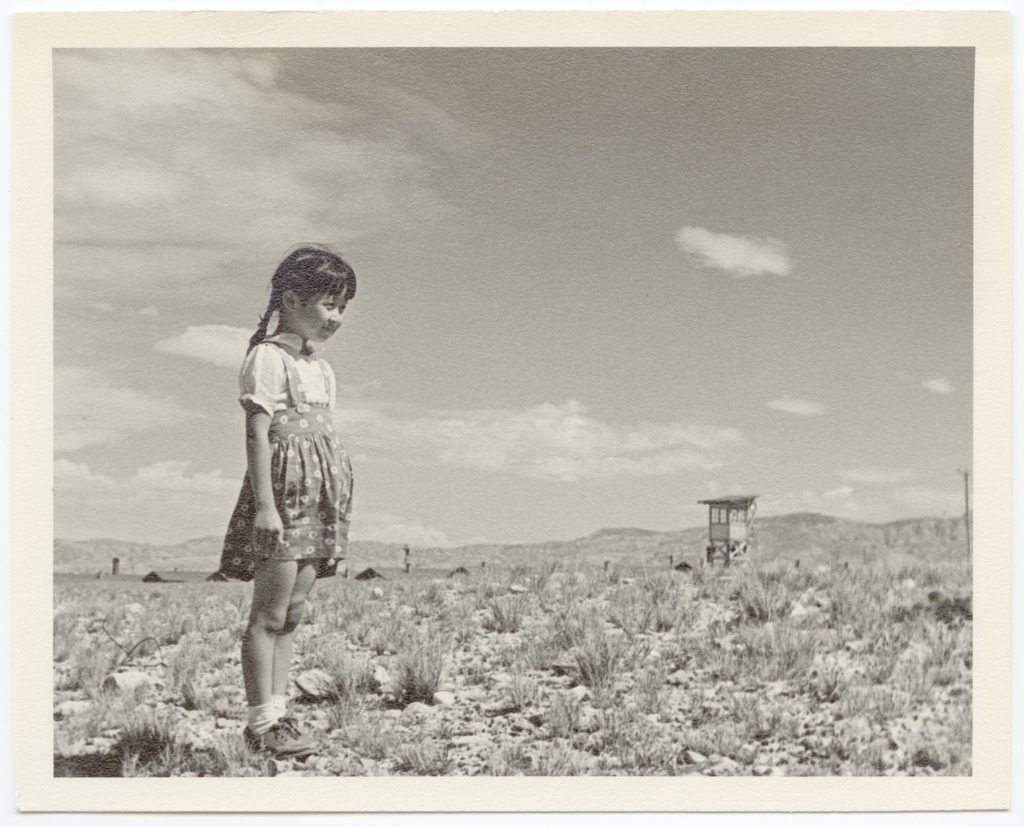
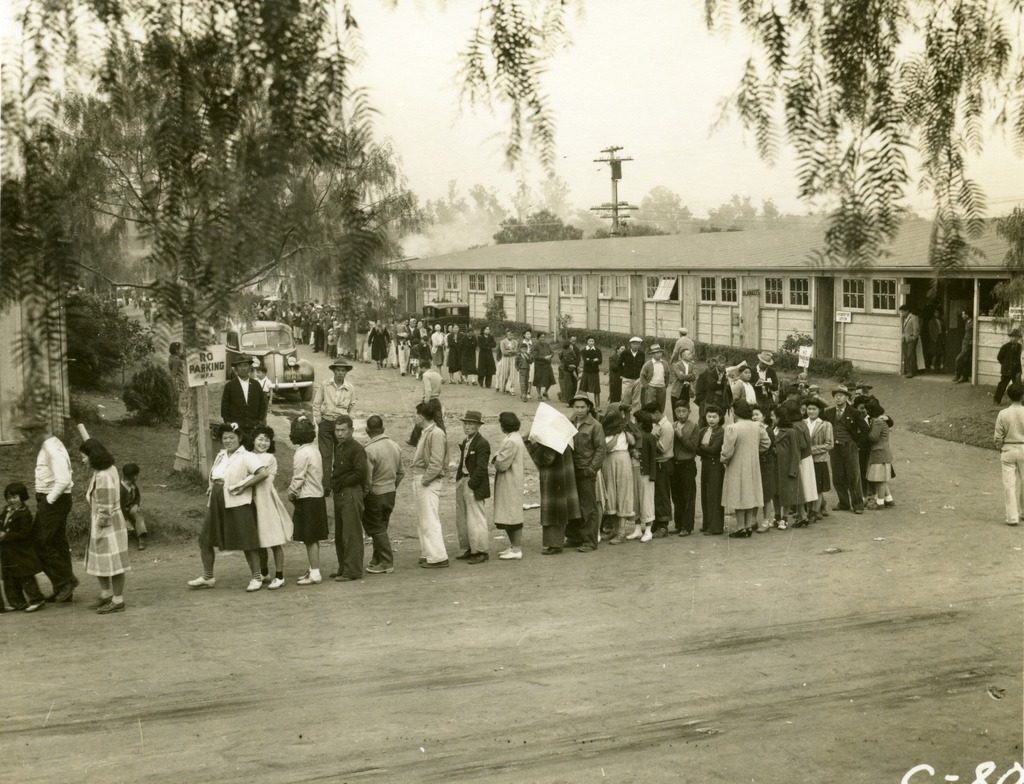
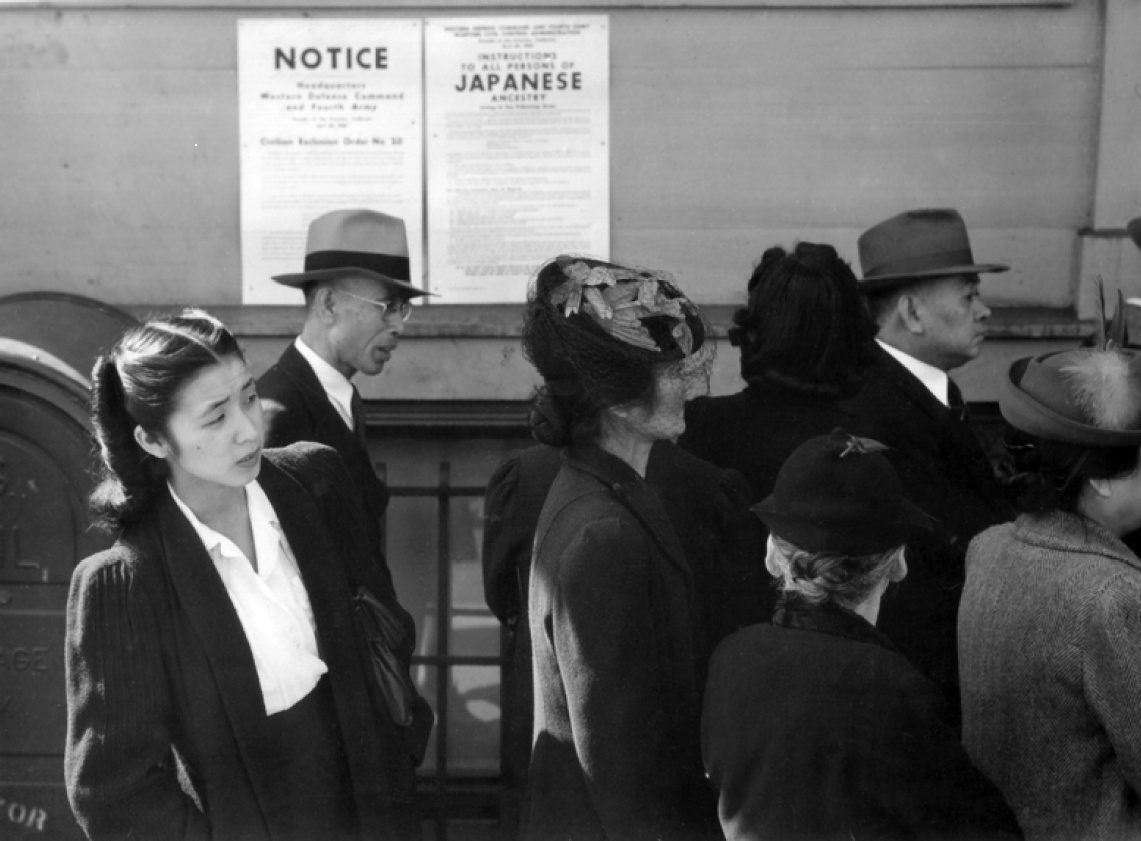
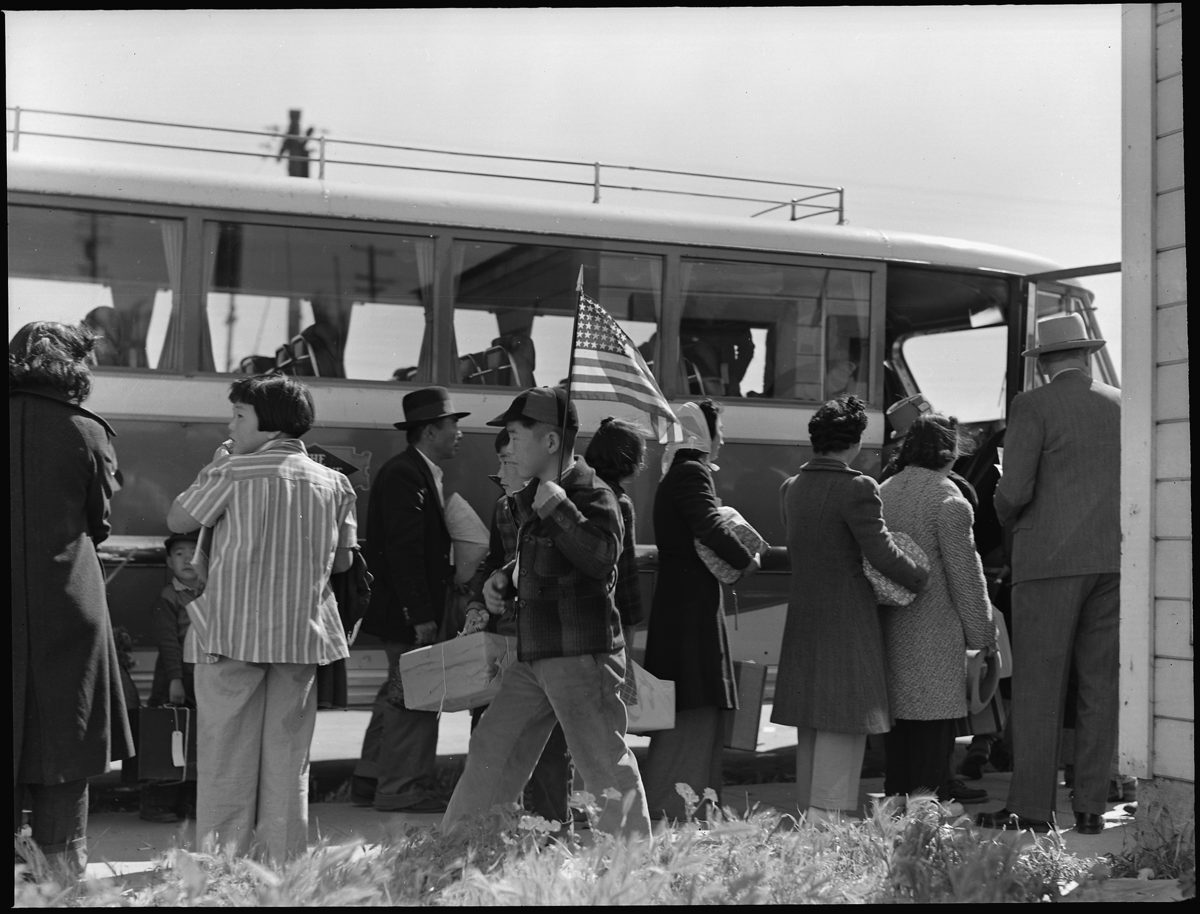
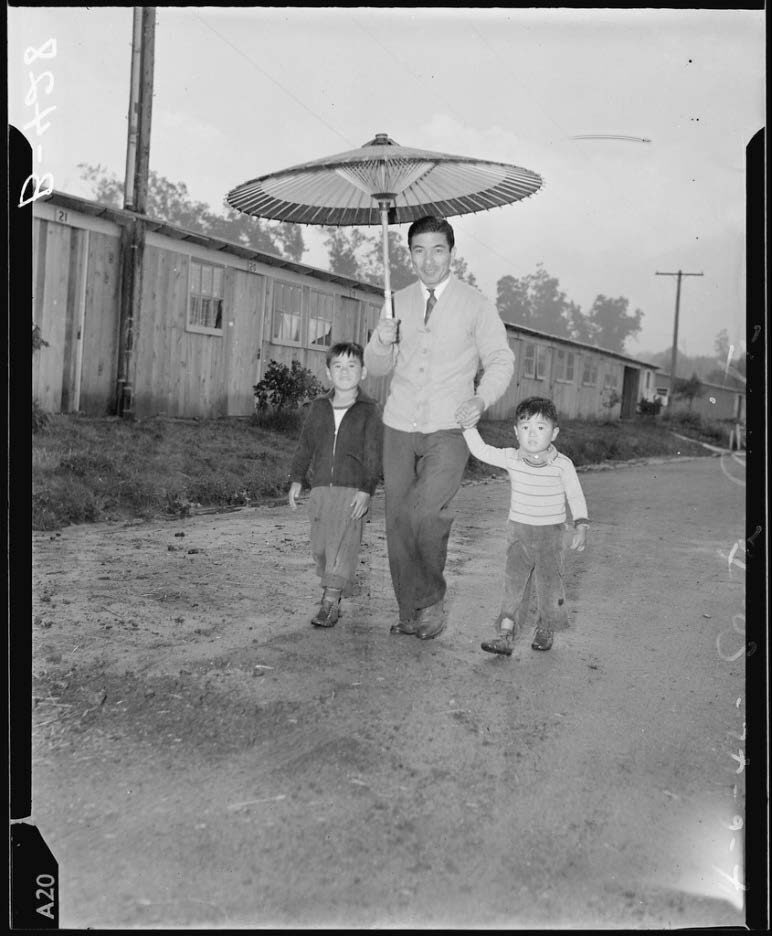
At the Museum of Tolerance, we lean on our pedagogical principles to begin and end in story, as well as utilizing primary sources to engage our participants in experiential learning. In our workshop The Roots of Curiosity: Places, Spaces, and Layered Histories, our goal is prompt learners to engage with “shadowed lands”—places that carry powerful, painful, or traumatic memories—and to explore how these spaces give rise to what we call “intertwined narratives” and “layered histories.” Through visual analysis of primary sources from the Incarceration of Japanese Americans, learners will investigate how places and spaces shape historical memory and reveal the layered histories held within “shadowed lands.”
Intertwined narratives operate along two distinct paths: one that acknowledges and honors the places hold memory, and another that views the same space in isolation, detached from the histories that give it meaning. The Santa Anita Racetrack offers a powerful example of this duality. For many Japanese Americans, it is a site of wartime incarceration and the erosion of civil and human rights during World War II. For others, it is a venue of sport and celebration—a place where a painful past is often overlooked or forgotten.
Drawing on Anthropologist and Historian Shannon Lee Dawdy’s concept of patina, we consider how places absorb multiple histories and how communities selectively interpret these layers—romanticizing, forgetting, resisting, or encountering them in fragments. These overlapping memories intertwine to form the broader fabric of our shared histories, even when they are not recognized or understood in their full complexity.
In this workshop, learners will explore their personal connections to places and spaces while also investigating sites of “shadowed land” whose histories have shifted, evolved, or faded from public memory over time. The workshop centers curiosity and collective memory-keeping as essential practices for preserving the layered histories that define both our own communities and those whose stories differ from ours.
Through the activities and discussions, learners will cultivate an ethic of curiosity toward people and places, recognizing that the human experience is expansive, dynamic, and shaped by continuous engagement. Together, participants will contribute to a shared tapestry of understanding—one that acknowledges complexity, invites dialogue, and honors the layered stories woven into the spaces we inhabit.
Key terms
- Shadowed Lands
- Interwoven Narratives
- Collective Memory
- Layered History
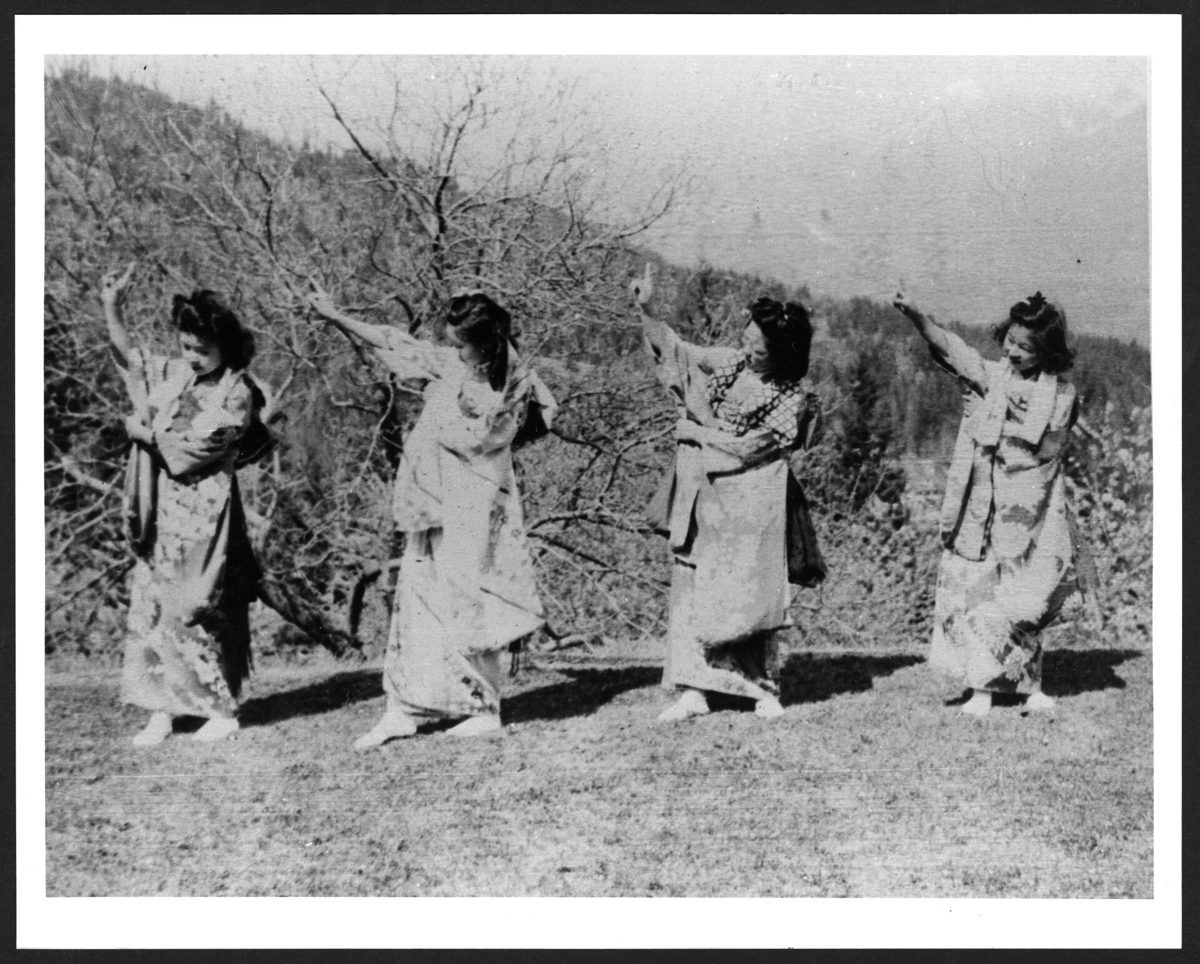
Exploring the layered histories of a space—its shifts over time, the memories attached to it, and the perspectives that shape it—allows us to engage more deeply with local histories and the diverse lived experiences within and outside of our communities. This kind of engagement expands our understanding of one another helps bridge the divides that separate us. As we transition into our next activity, we will explore sites of “shadowed land,” examining how multiple meanings coexist within a single place and how these dimensions inform our work as educators and memory keepers.
Seen & Unseen Framework
The seen and unseen framework supports learners in analyzing and interpreting visual imagery. Learners are supported in moving beyond baseline observations of the visual imagery to draw conclusions of underlying themes, symbols, and emotions that are not explicitly presented.
The Tree of Curiosity: Layered Histories
The Tree of Curiosity invites us to slow down and look more carefully at our own experiences, at the stories of others, and at the histories held within the communities around us. This process invites us to uncover unfamiliar narratives, notice new details, and discover deeper layers within places or stories we thought we already understood.