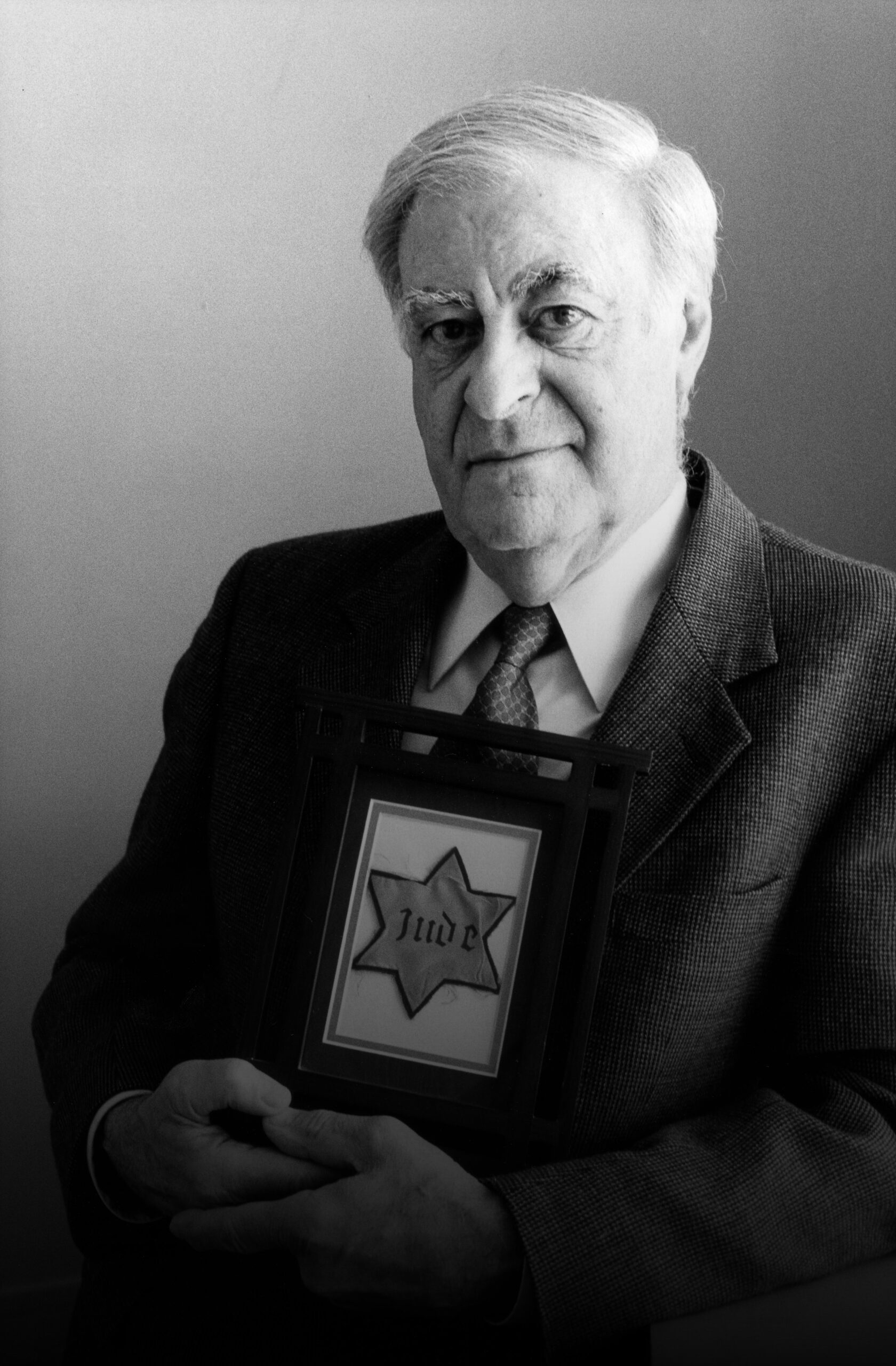
Henry H. Oster, OD
Be aware of how easily people can be persuaded to commit genocide if nobody speaks up against it.
Henry Oster was born Heinz Oster on November 5, 1928, in Cologne, Germany to Hans and Elisabeth (née Haas) Oster. Although he was an only child, Henry and his parents were surrounded by their large extended family. Henry vividly remembers hearing about Hitler and the Nazis when he was only five. He entered grade school in 1934. The next year, however, Henry was expelled because the Nuremberg laws prohibited Jewish students from attending any school.
In October 1941, Henry and his parents were forced onto a train and sent to the Lodz (Litzmannstadt) Ghetto. While there, Henry was forced to work twelve-hour days in the fields and the local cemetery. He lived with his parents and 18 other people in one room in a rundown building. Food was scarce. Within six months, Henry’s father died of starvation.
In 1944, Henry and his mother were deported from the Lodz Ghetto, forced into cattle cars, and transported to Auschwitz-Birkenau Death Camp. Upon arriving, Henry was selected for slave labor. On the same day, his mother was murdered in the gas chambers. Henry was later tattooed with the number B-7648. The tattoos were done in a primitive way without anesthesia and “hurt like hell.” Henry soon realized this was to be the least of his worries in AuschwitzBirkenau. He survived on the verge of starvation, working 16 hours a day in the stables. Somehow, he managed to survive three separate selections, when less fortunate inmates were sent to the gas chambers.
With the Soviet Army advancing, the end of the war approached, and the inmates of Auschwitz-Birkenau were evacuated to other camps in Germany. Henry survived the death march to the train station, and then was transported by open cattle car to Buchenwald Concentration Camp, , where the Nazis rounded up over 1,000 Jewish boys, all less than 18 years of age, and put them to work in the quarry or to clean up rubble. From April 1- 11, Henry and the other inmates were given no food. The Nazis’ ultimate goal was to murder them.
On April 11, 1945, when General George Patton’s U.S. Third Army liberated Buchenwald, Henry watched joyfully as the American tanks rolled into the camp, and the Nazis and German soldiers fled. The American Army had not expected to find concentration camps scattered throughout Europe. They had brought food, but were not prepared to care for the weakened survivors. By the time the infantry entered the camp with medics, some of the prisoners had already died.
After the end of the war, orphaned children were sent to France, England, or Switzerland.
Henry was sent to an orphanage in Ecouix, France. Out of 19 family members, he was the only survivor. Henry remained in the orphanage until an uncle living in Los Angeles found his name in the L.A. Times on the B’nai Brith Messenger’s list of survivors. In 1946, Henry immigrated to the United States, coming first to New York and then to Los Angeles to join his uncle.
Henry learned English, pursued his education, completing high school and qualifying to attend U.C.L.A. with the intention of becoming an optometrist. Henry developed a successful private practice in Beverly Hills and then decided to join Kaiser-Permanente for a total of 60 years as a practicing optometrist. He married Susan, and they had two daughters, one son, and four grandchildren.
As a Holocaust Survivor, Henry realized that his personal testimony documents the world’s greatest crime against humanity. He became one of the first speakers at the Simon Wiesenthal Center Museum of Tolerance in January 1977, because Henry knew from personal experience how easily people will commit genocide if there is no one to speak up against it.
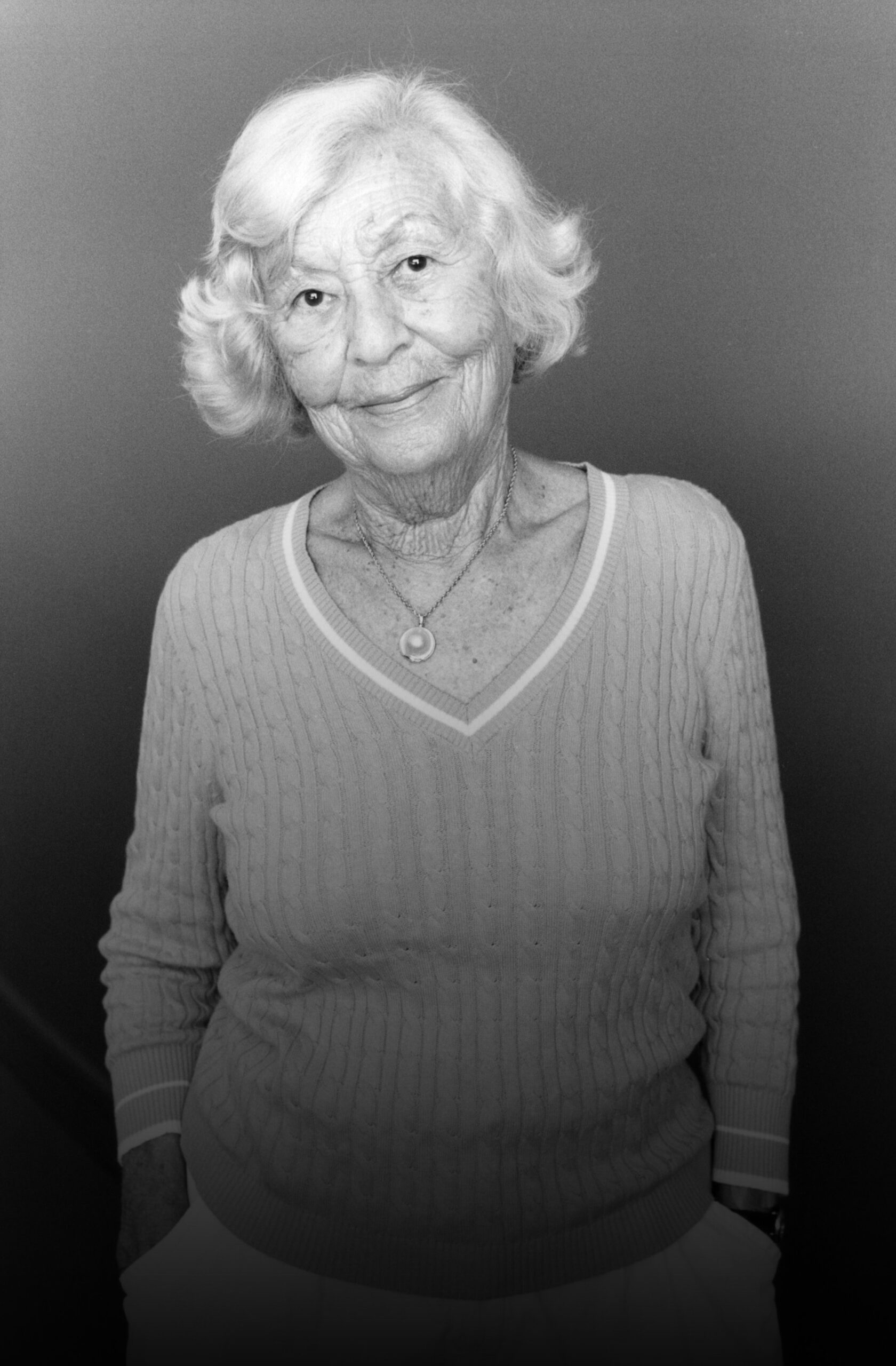
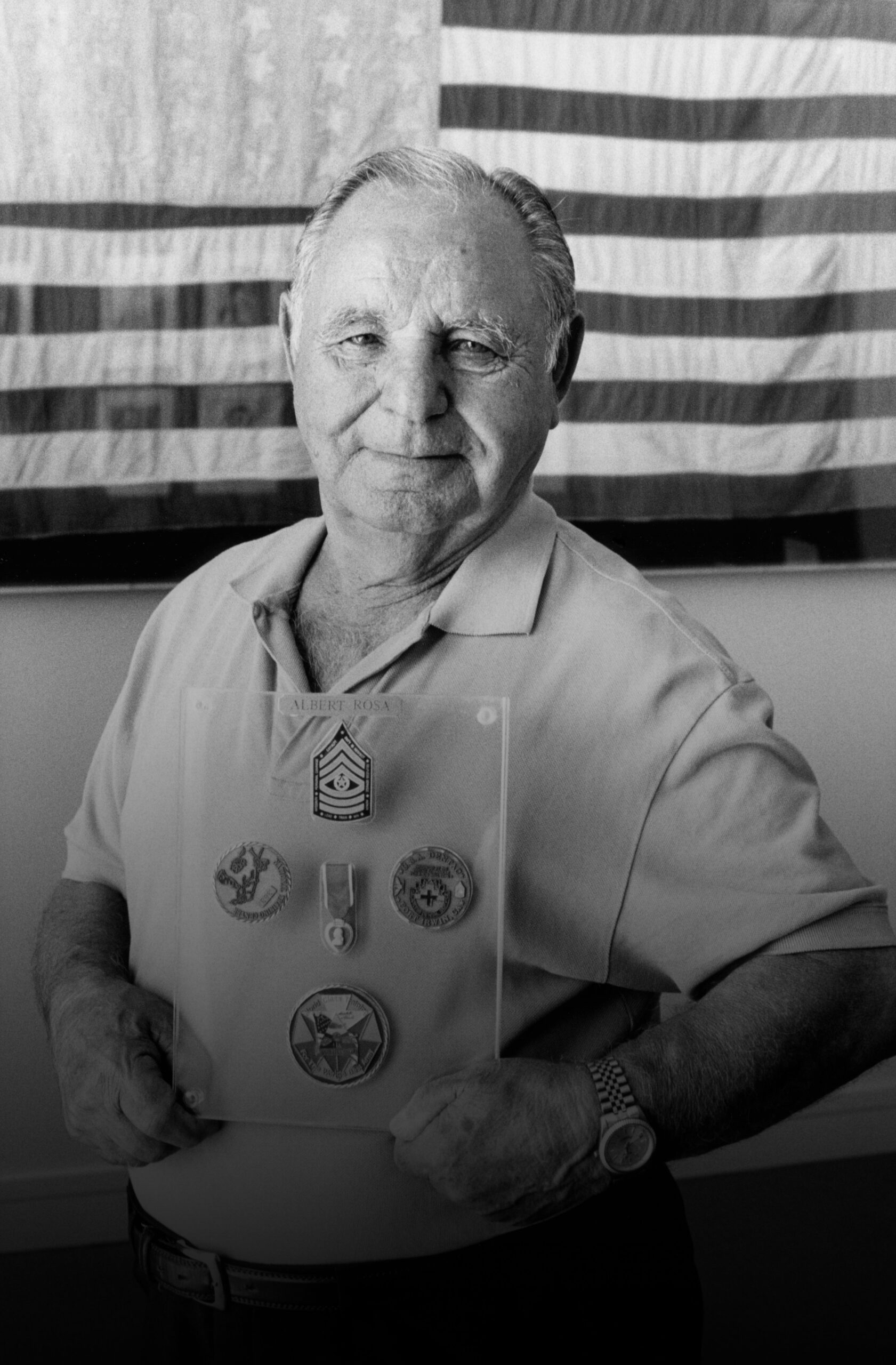
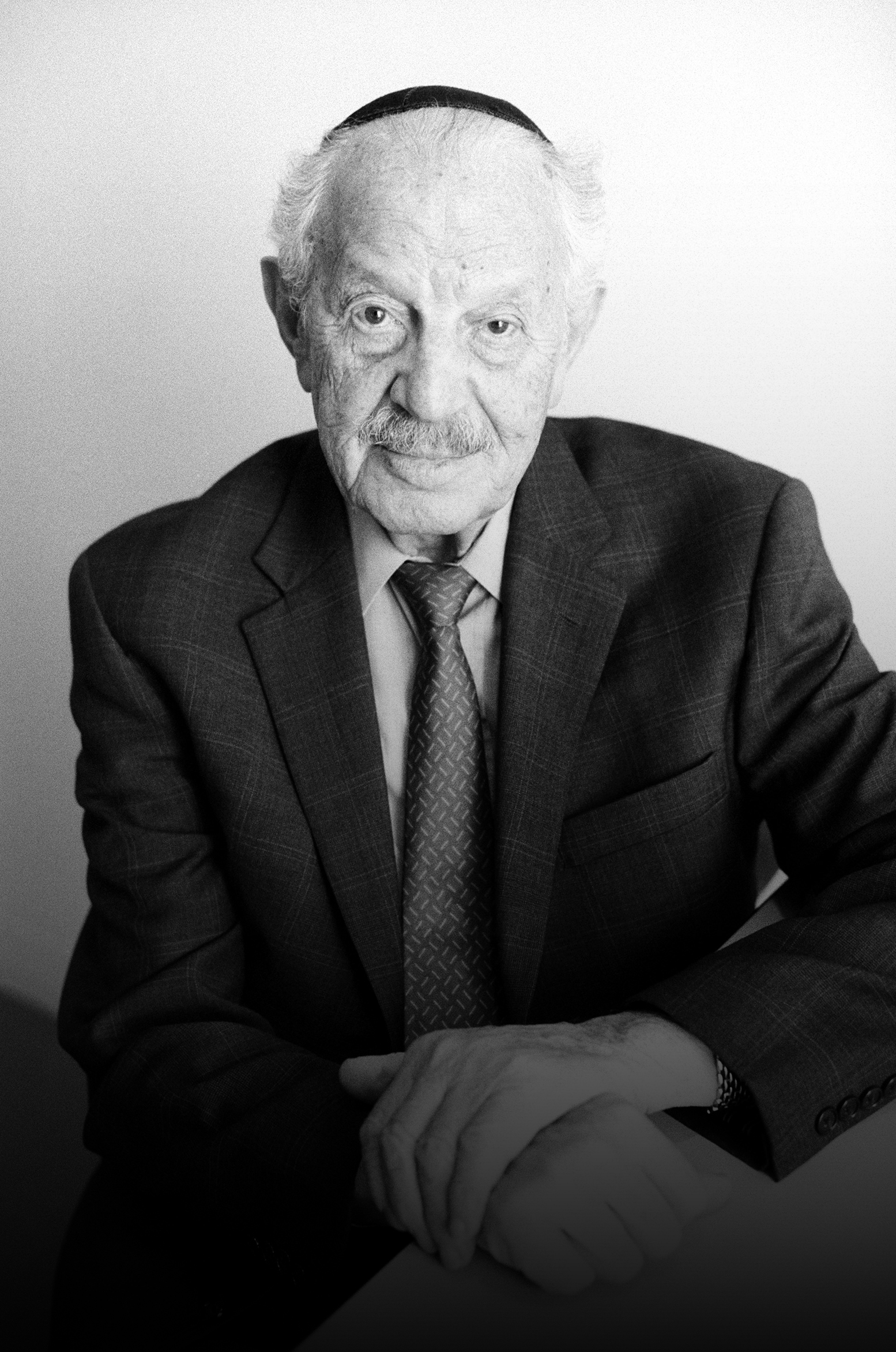
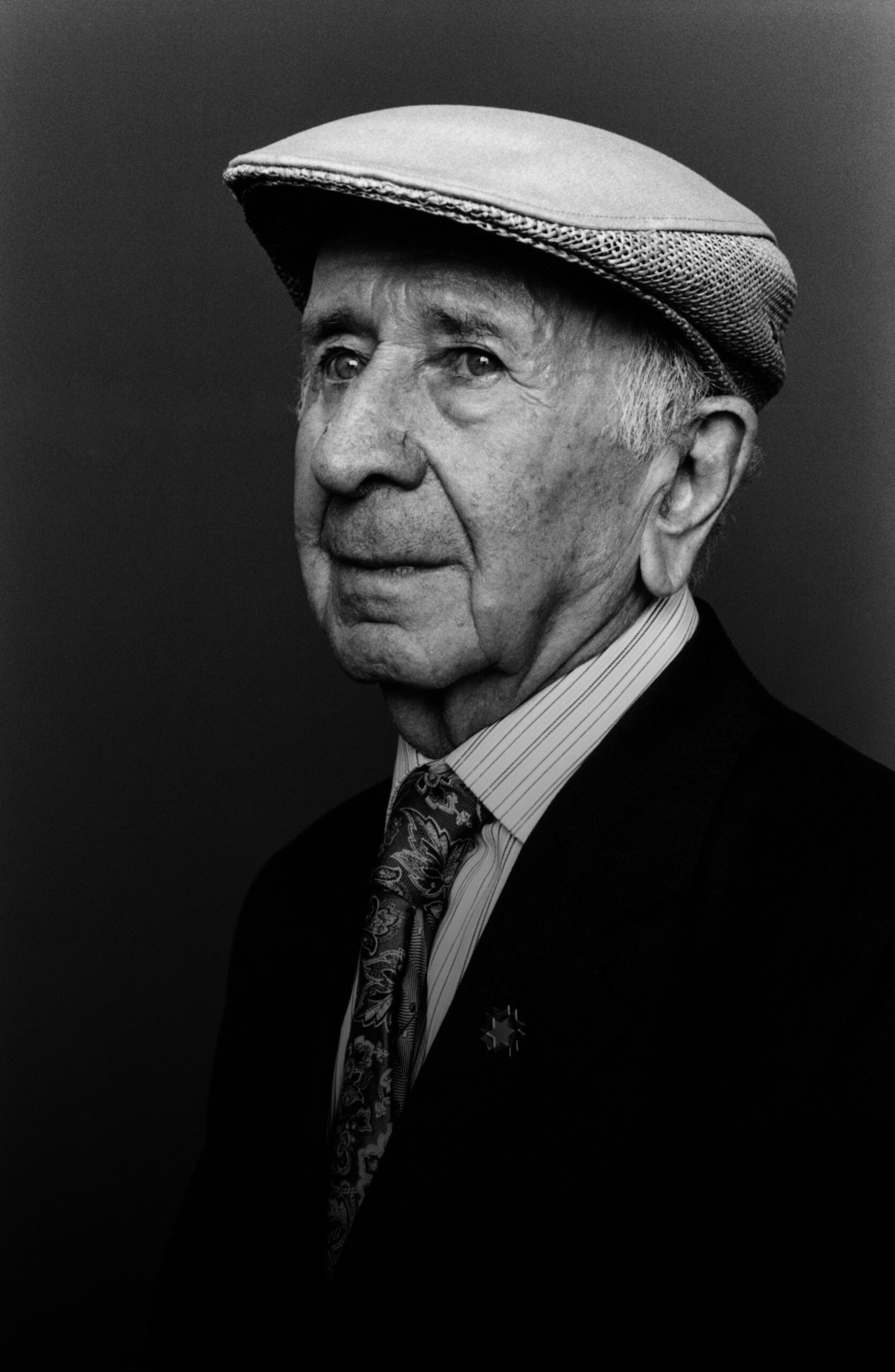
Henry Oster z”l passed away on March 17, 2019. His legacy lives on at the Museum of Tolerance, with his portrait on the “Witness to Truth” portrait gallery.
Z”L stands for the Hebrew words meaning “may his/her memory be a blessing.”