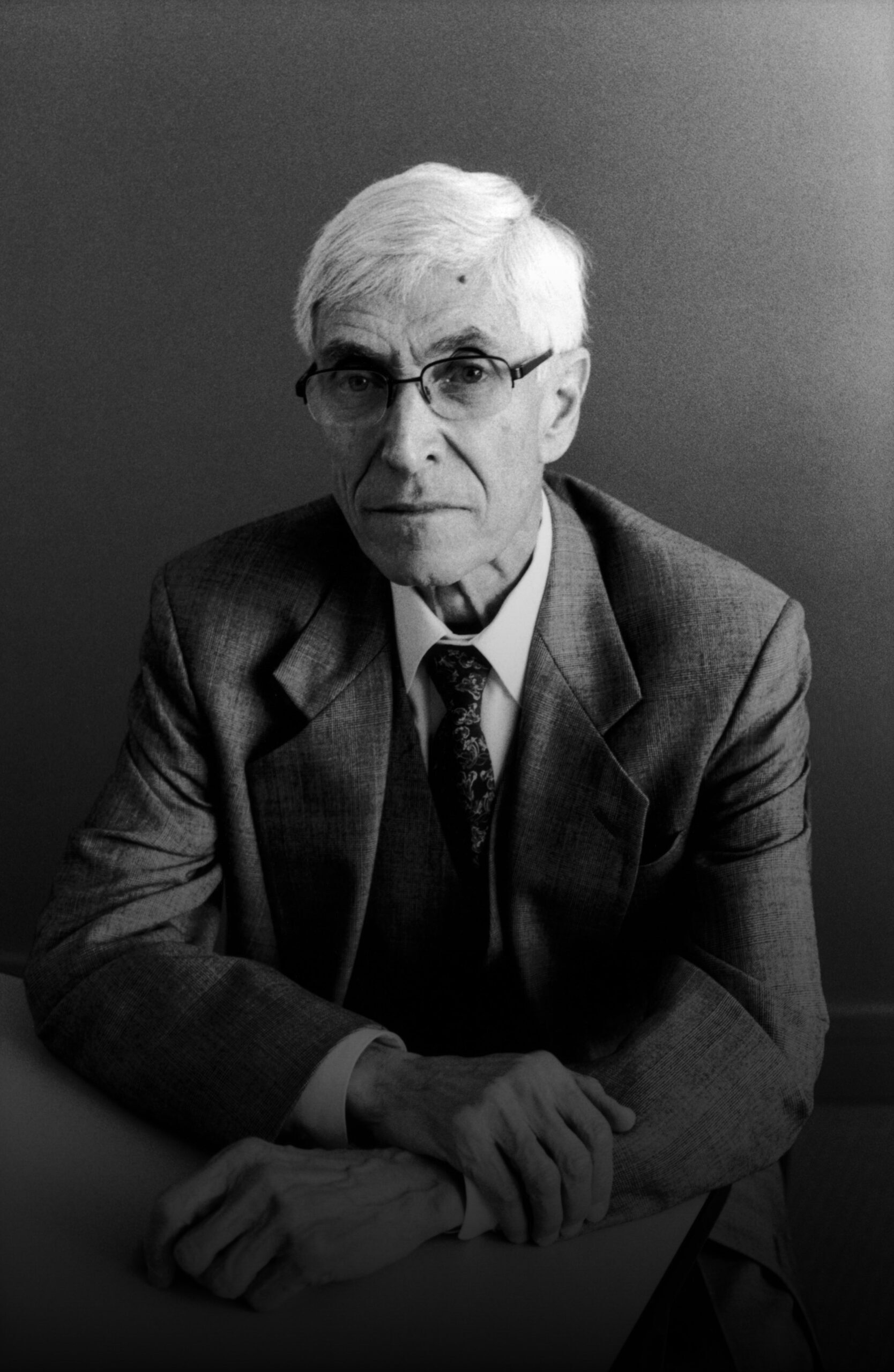
Harry Leo Davids
Although it is important to remember the past, don’t let the past rule your life.
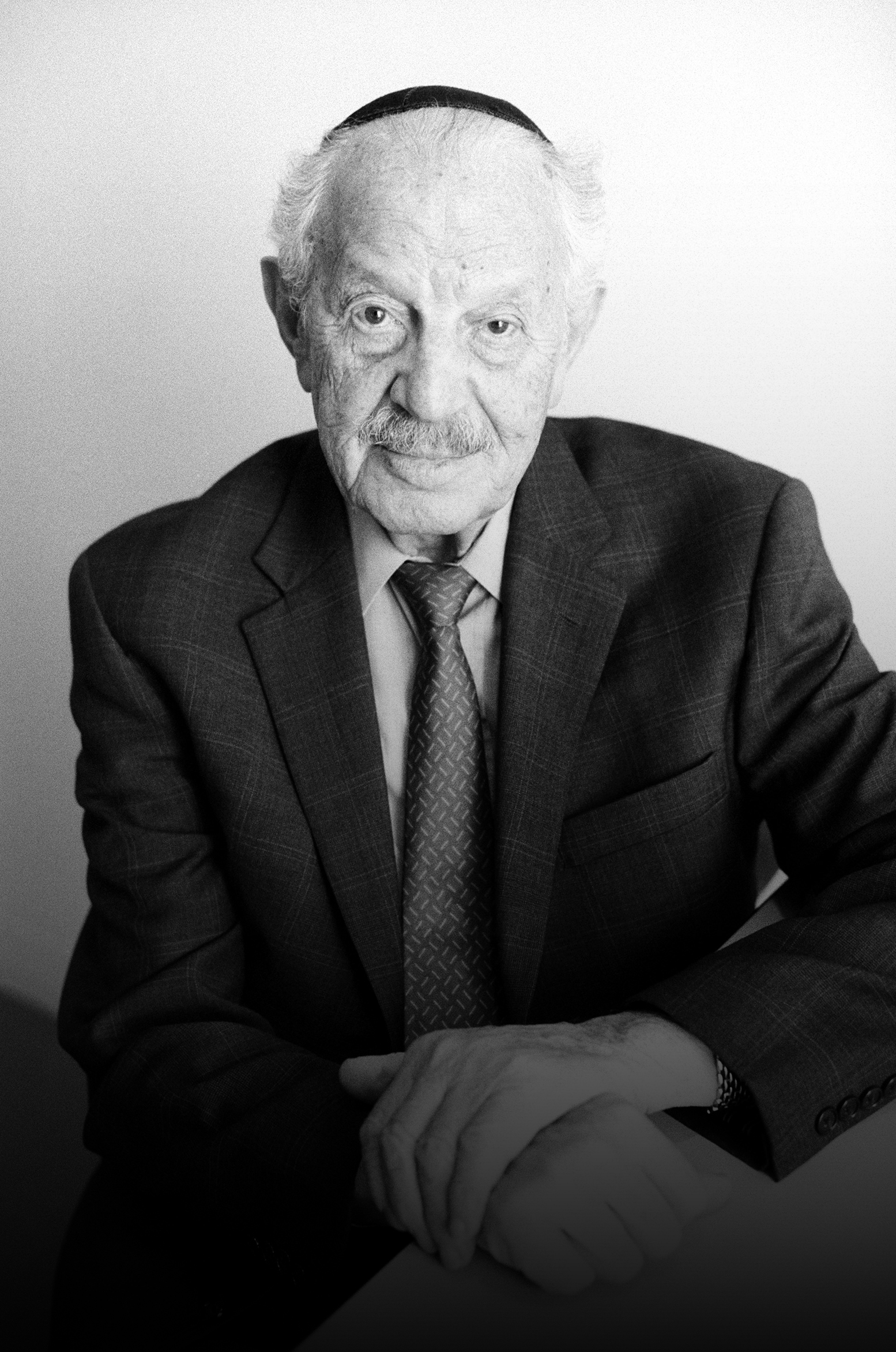
Harry Leo Davids was born on October 14, 1942, in Amsterdam, The Netherlands (Holland). He was only two months old when he was separated from his parents, Alfred and Lilly (née Berg), and was taken into hiding about a mile away, with the Den Os family, who were already hiding a young Jewish woman. After four months they were betrayed by an unknown informant, but two local resistance workers rescued him, one of whom took him to the city of Utrecht. From there, resistance workers took him to Gaasterland, a tiny village in the northern province of Friesland. After two months he was again betrayed to the Germans, and again rescued by resistance workers.
After being taken to several places on the west coast of Friesland, in late December 1943, Harry was finally placed in the care of the Bakker family, Calvinist Protestants who lived in Engwierum, a village near Dokkum, in the far north of Friesland. The village had a population of only 400 people. In addition to Dutch, the inhabitants of Friesland spoke their own language, Friesian. Harry’s host father, Berend Bakker, was a member of a Dutch loyalist underground group, and, in addition to his resistance work against the German occupation of his country, he helped hide many other Jewish children during the war. He also worked as a postmaster for the local area at the Post Office, which was located on the ground floor of the family’s house. The German Army took over the operations of the Post Office during the war so underground activities became riskier for him.
It was easy for Harry to be taken into “open hiding” due to his young age, blonde hair, and blue eyes. The family raised him as their own child from December 1943 until May 1947 and included him in all family celebrations. In 1946, seven months after the war ended, one of Harry’s uncles in South Africa, his father’s brother Paul Davids, was informed about him and began attempts to officially adopt him and bring him to South Africa.
Harry became the center of a custody battle between his rescuer family, who did not wish to give him up, and his uncle’s family. Although Harry’s uncle won custody, he was initially unable to take Harry to South Africa. Harry was considered a stateless alien under the laws of the Netherlands, and, therefore, could not obtain a Dutch passport to legally leave the country. In addition, South Africa was not willing to allow him entry as it was granting priority to soldiers returning from the war. Only in May 1947 would Harry’s uncle finally be able to take Harry to South Africa, thanks in large part to the assistance of Leo Colland, a cousin in Amsterdam.
Harry was welcomed to South Africa by his Aunt Hetty Davids and her and Paul’s daughter Merle in 1947. Two new daughters, June and Daphne, were born within the next 16 months, so by August 1948 Harry had three sisters. It took several years before Paul and Hetty told Harry that they were his biological uncle and his aunt and not his birth parents, who had been murdered by the Nazis. The family lived in the town of Springs, which had a large population of “Europeans.” Harry earned his degree in accounting and went into the family business, eventually becoming the CFO of the company. Due to the rising danger of violent upheaval because of the racial tensions of Apartheid, Harry decided to leave South Africa and to move to the United States in 1979.
After several years, Harry learned from the Netherlands Red Cross through documentation from the Westerbork Transit Camp in Holland that his parents had been sent to Westerbork in 1943, and that one week later they were deported to the Sobíbor Extermination Camp. Both of his parents perished in that camp. After decades of research, Harry learned that he was one of only five members of his extended European family of 76 to have survived. As of this writing (February 2024), Harry and his first cousin Marian Nachman are the only two survivors still living. He was very fortunate that resources were available for him to learn what had happened to all but three of the 71 family members who had perished.
Harry speaks at the Museum of Tolerance and Holocaust Museum Los Angeles to remind listeners that another Holocaust could happen anywhere and at any time and to encourage people to be “upstanders” rather than bystanders. Harry has devoted himself to researching his family’s history and has stayed in touch with the descendants of his hiding family.