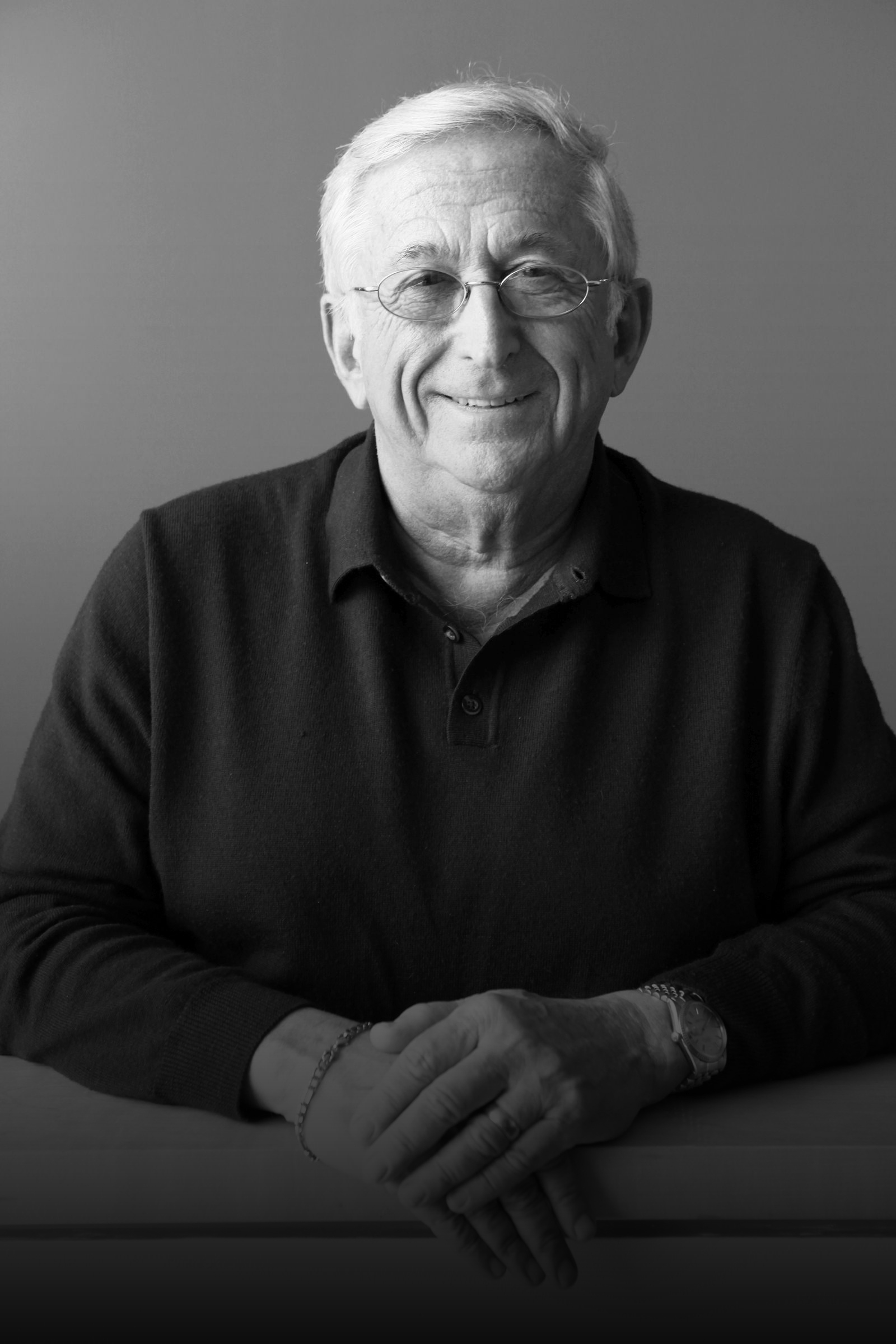
Dr. Jack Wetter, Ph.D
I don’t want the traumas that I experienced during my infancy to only be a part of my past, but to also be a part of my present so that I, and hopefully others, may learn from them.
Jacki (Jack) Wetter was born in Brussels, Belgium, on April 26, 1943, to Blanka and Isak Wetter. Isak, who was born in Poland, was a furrier with business in Milan, Italy and Antwerp, Belgium. He moved to Antwerp in 1938 and briefly dated a woman who decided that her sister, Blanka, was a better match for him. Blanka had been born in Czechoslovakia and worked as a diamond polisher for a large company in Antwerp. Blanka and Isak fell in love.
Jack’s parents had heard stories about Nazis capturing Jews and deporting them to concentration camps. Fearing for their safety, Blanka and Isak decided to go into hiding. They were able to contact someone who arranged to have them hidden in Brussels. They went into hiding between 1941 and 1943 with another couple. They were protected by a Belgian woman whose husband was an active SS guard for the Nazi party! The families were hidden in a tiny, two-hundred-square-foot room in the basement of the woman’s house with only enough room for a small toilet and stove. The woman’s husband who was fighting on the front would visit monthly. Each time that her husband came home on leave, the Belgian woman relocated the hidden families to an even lower basement with no windows, no ventilation, and an abundance of rodents After being in hiding for two years, both Blanka and the other woman became pregnant. The Belgian woman helped arrange for a doctor to secretly come to her home and tend to both pregnant women.
The doctor advised the women on what to do and whom to contact once labor began. When Blanka went into labor, she was transported to the hospital hidden in a garbage truck. The Belgian woman and the doctor had planned this secret transportation beforehand. The doctor warned her not to speak while in the maternity unit. As a native of Czechoslovakia, the doctor knew that Blanka’s accent would betray her, and that she would be reported to the Gestapo. For ten days, Jack’s mother pretended to have laryngitis and did not speak. Her neighbor in the next bed spoke with an accent. The nurses reported the neighbor to the Gestapo, and the woman and her newborn baby were immediately murdered. Blanka witnessed this incident while still in labor.
Raised in hiding for the first two years of his life, Jack was malnourished. He developed rickets due to a lack of sunlight. The other couple in the cellar with the Wetters also gave birth to a son while in hiding. There were now six people hiding in the cramped cellar, including two babies who had to be kept quiet. Jack and the other little boy grew up with no toys, no music, and no interaction with the outside world.
In 1945, after two long years for the boys and four years for their parents, the war ended. They emerged from their “dark womb” of hiding. Jack’s mother was aware that it would take a long time to adjust to the real world after being in hiding for so long. The family stayed in Brussels and moved to the suburbs. Sadly, by the end of the war, the Wetter family consisted only of Jack and his parents.
His aunts, uncles, grandparents, and great-grandparents from Eastern Europe had all been murdered in the Nazi concentration camps.
Jack was too young to remember his time in hiding, which he considers a blessing. Jack did not hear about Hitler or the Nazis until he was eight years old. His parents did not speak about their experience and were keen on keeping it in the past.
Throughout his life, Jack suffered from anxiety that resulted from his time in hiding. He also had a difficult time when he attended a Catholic school in Belgium and was subjected to antisemitism and beatings from the nuns.
In 1950, when Jack was seven years old, his family immigrated to New York where American children teased him about his clothing, hair, and name. The difficulties he faced in school left him feeling isolated from his peers.
However, Jack persevered and went on to receive his doctorate at UCLA. He was a professor at UCLA Medical Center for 18 years and later started his own private practice in clinical psychology.
In 1975, he was approached by the Shoah Foundation. It was only then that he acknowledged himself to be a Holocaust Survivor. In 2010, Jack became a speaker at the Museum of Tolerance.
Though Jack did not remember his time in hiding, he believed he could still help others.
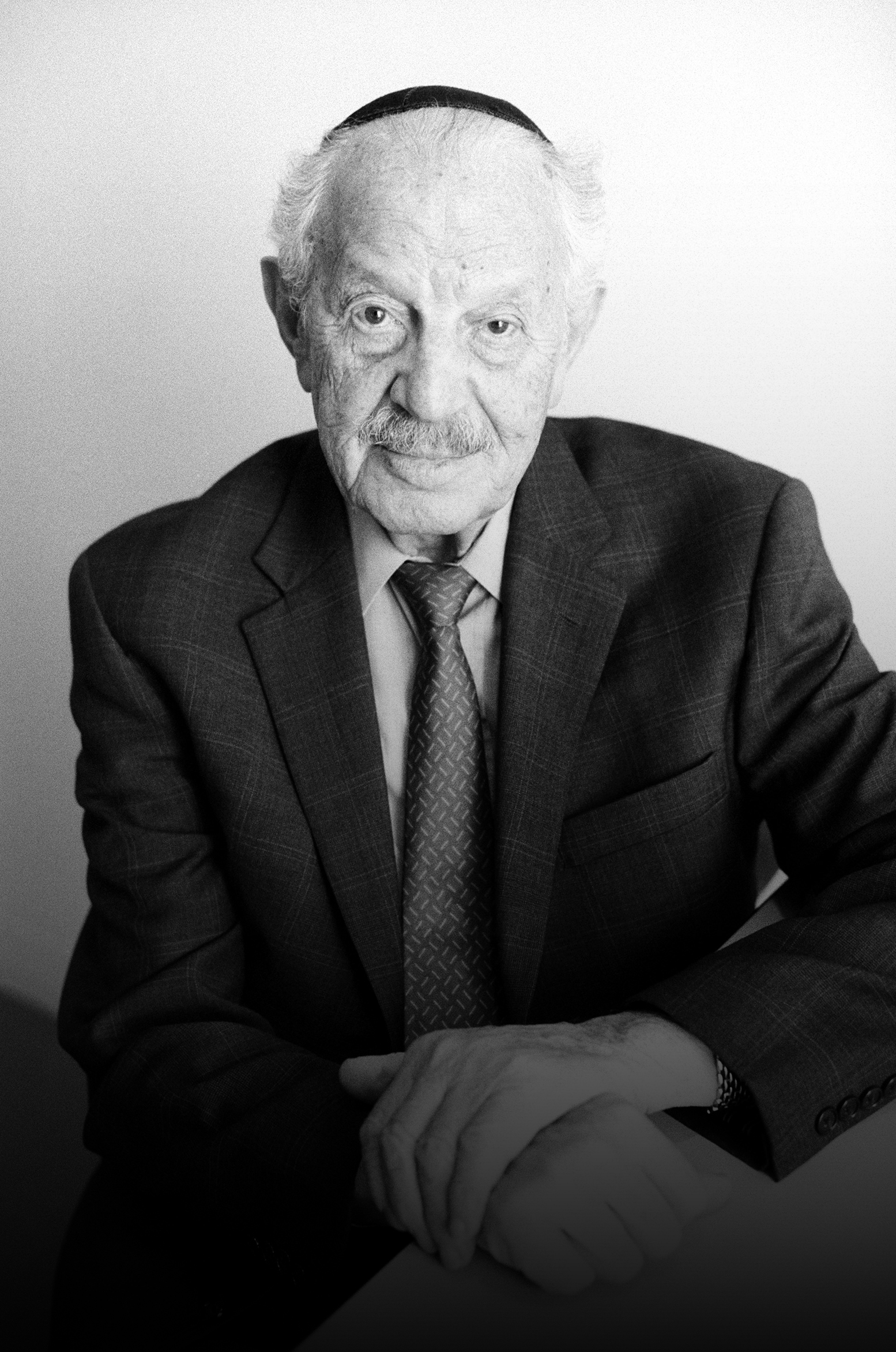
As a speaker, Jack hopes to have the chance to make true the caption under his photo in the Witness to Truth gallery: “I don’t want the traumas that I experienced during my infancy to only be a part of my past, but to also be a part of my present so that I, and hopefully others, may learn from them.” Jack is now retired and married to his wife Helen. They have a son, Dr. Michael Wetter, who is also a clinical psychologist and works at UCLA Health. They have a daughter, Karin Rose, who is an educator. They have three grandchildren, Sean Isaac, Rachel Emily, and Leah Brielle.