Student Programs
Workshops in Los Angeles, in your classroom, or on a Mobile Museum of Tolerance.
Programs for grades 5-12
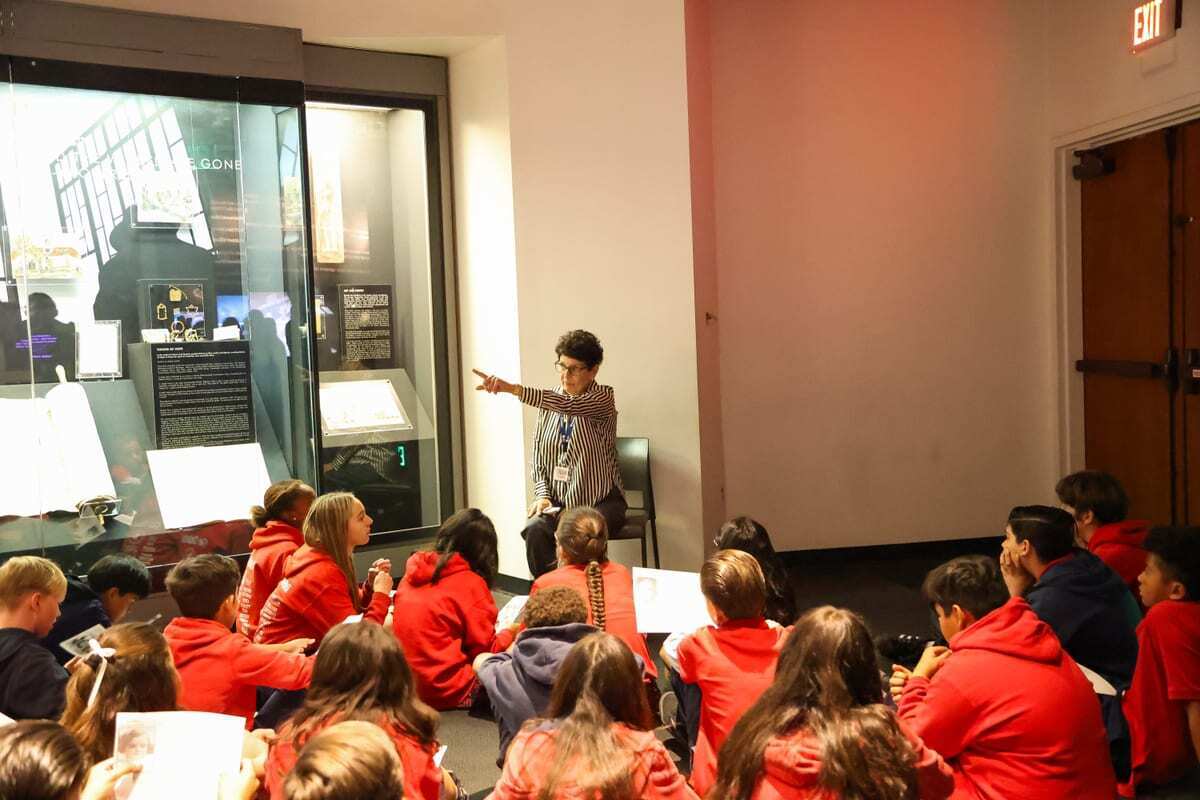
Providing a meaningful entry point into the Holocaust for younger audiences, this workshop guides learners through the life and history of Anne Frank and her family. Through an immersive short film and facilitated dialogue, learners explore the concepts of prejudice, resilience, antisemitism and racism, through the power of writing. By engaging with Anne Frank’s story, young learners develop a deeper understanding of her life and legacy and are encouraged to both utilize their own voices as agents of change, and to carry her memory beyond the walls of the learning space.
The actions of ordinary people have the power to shape the course of history. In this dialogue-centered workshop, learners engage with the history of the Holocaust through primary sources and a short film that examine the choices individuals and communities made during this historical period. Through themes of propaganda, individual and collective action, and resistance, learners connect these histories to contemporary contexts—empowering them to recognize and interrupt bias, hate, and intolerance within their everyday spaces.
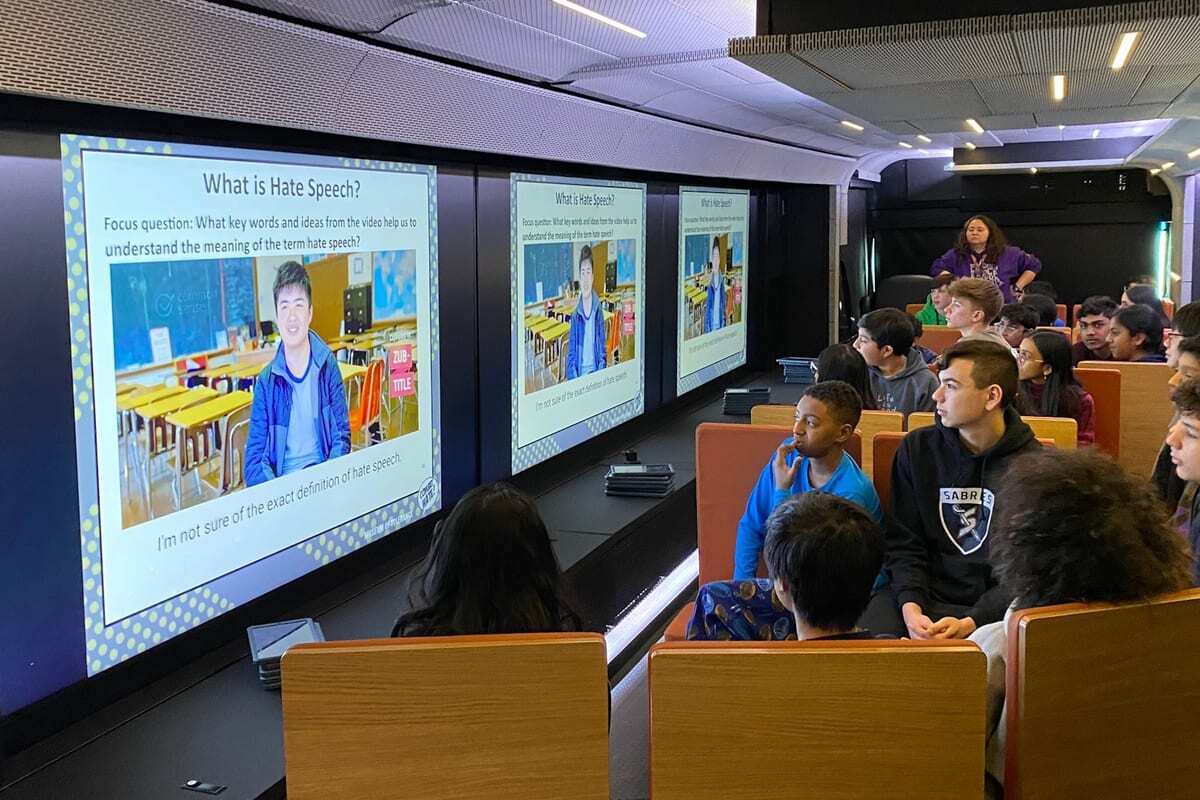
Age of Algorithms is a classroom-based digital media literacy workshop that provides students with techniques to gain control of their online experiences. Social media today is filled with “passive engagement” dictated by a hyper-personalized algorithm. Because students’ online experiences are shaped by these algorithms, it is increasingly important that they understand how powerful, addictive, and persuasive this system is designed to be. Through our curated social media experience, students will reflect on how social media affects their perspectives, understandings of current events, and emotional well-being. As a result, participants will learn to recognize algorithm-induced echo chambers, challenge misinformation, recognize hate, and participate online as thoughtful, responsible digital citizens.
New programs for the fall
Witness to History: Introduction to Testimony is a 45-minute workshop offered in classrooms and through our Mobile Museums of Tolerance. The program invites students in grades 9-12 to explore historical testimony as a tool for deepening understanding of The Holocaust and the Genocide Against the Tutsi in Rwanda. The workshop develops social awareness, critical dialogue, and ethical storytelling skills through active listening and personal connection with their own identities.
Students view video-based firsthand accounts from survivors, reflecting on the profound impact of survivor testimony while the uniqueness of each historical experience while avoiding comparisons. Through a story-sharing activity, learners practice ethical storytelling by sharing their own personal narratives and listening to peers. By engaging with these testimonies, students deepen their understanding of history, develop empathy, and are empowered to contribute their own voices to the ongoing human story.
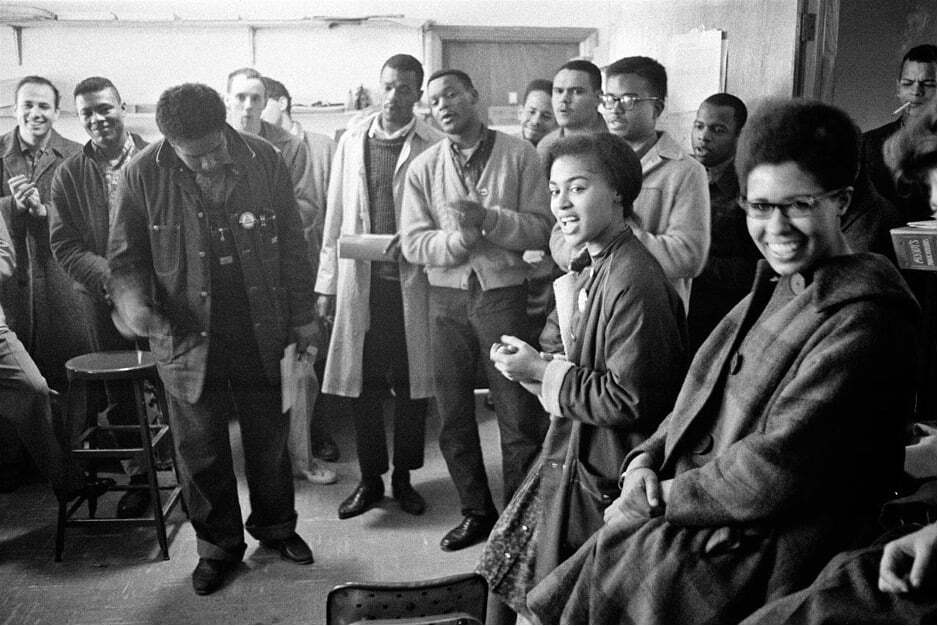
This 45-minute explores the experiences of youth-led advocates through poetry, tracing its roots from the era of enslavement through the 1960s, and examining its continued relevance today. Designed for 8th-12th grade learners, the program is offered in classrooms and through our Mobile Museums of Tolerance. Learners analyze the evolution of resistance poetry—from George Moses Horton in 1829 to the Student Nonviolent Coordinating Committee in the 1960s—to explore how Black Americans have used poetry to assert rights, challenge injustice, and advocate for change. Through close reading, inquiry, and discussion, learners examine person-first narratives of resistance while deepening their understanding of civil rights and lived experiences across time. As a culminating activity, learners create original blackout poems from historical texts, reflecting on the enduring power and relevance of historical voices.
“We The People of Illinois: Tapestry” is an interactive program designed for learners in grades 8–12, facilitated by an educator on the Mobile Museum of Tolerance. Through the analysis of historical images, first-hand testimony fragments, and primary sources, learners uncover Illinois histories in conversation with broader U.S. narratives—centering diverse communities, and the ongoing struggle to secure civil and human rights.
Throughout the program, learners examine how dominant historical narratives are often shaped by those in power, and uncover stories that have been minimized, obscured, or excluded. Learners engage in close analysis of language, distinguishing between euphemistic terms that have historically obscured violations of civil and human rights and more precise language that enables acknowledgment, accountability, and movement toward justice and healing.
Bring a program to your students
Programs are booked by educators and school groups, in Los Angeles, in your classroom, or through the Mobile Museums of Tolerance.