
Our Approach
The Museums of Tolerance are more than museums–they are containers for learning, transformation, and action.
A catalyst for social change
The Museum of Tolerance is not merely a space to witness history—it is a catalyst for social change. Through storytelling, dialogue, and education, we weave the tapestries of individual and collective histories to foster introspection, civic engagement, and accountability. We ensure that the lessons of history are not just remembered but actively shape a more just and equitable future. With a continuous and unwavering effort, we create containers for exploration—of self, of others, and of the systems that shape our world. MOT empowers individuals to challenge injustice, champion democratic principles, and forge a dynamic path forward where human dignity, “Chesed” [loving-kindness], and tolerance are upheld.
Where we concentrate
Antisemitism Education
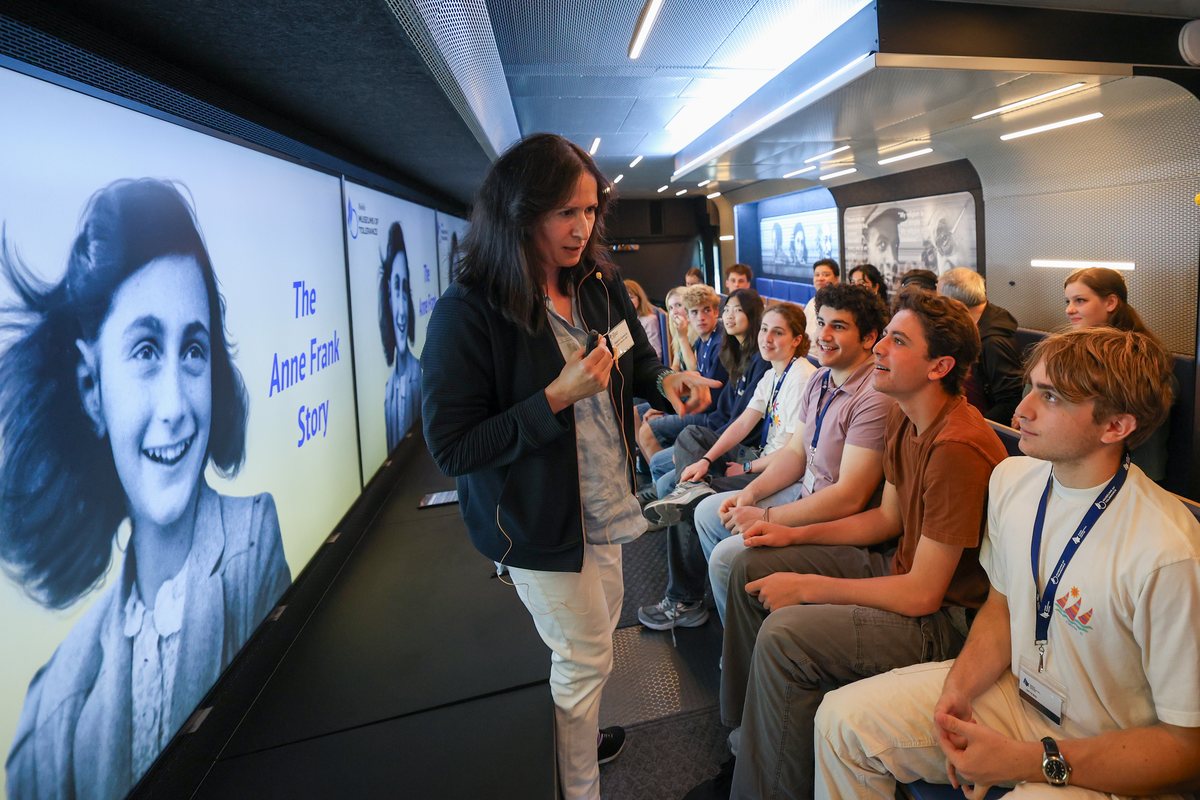
With the increasing rise in antisemitism the Museums of Tolerance are ever evolving our spectrum of approaches–bringing awareness and responsive educational experiences and resources to our ever expanding audiences to combat this alarming trend. Utilizing our unique lens we see antisemitism is a systemic framework that harms more than just the Jewish community, but rather fuels hate and prejudice in many forms.
Holocaust History
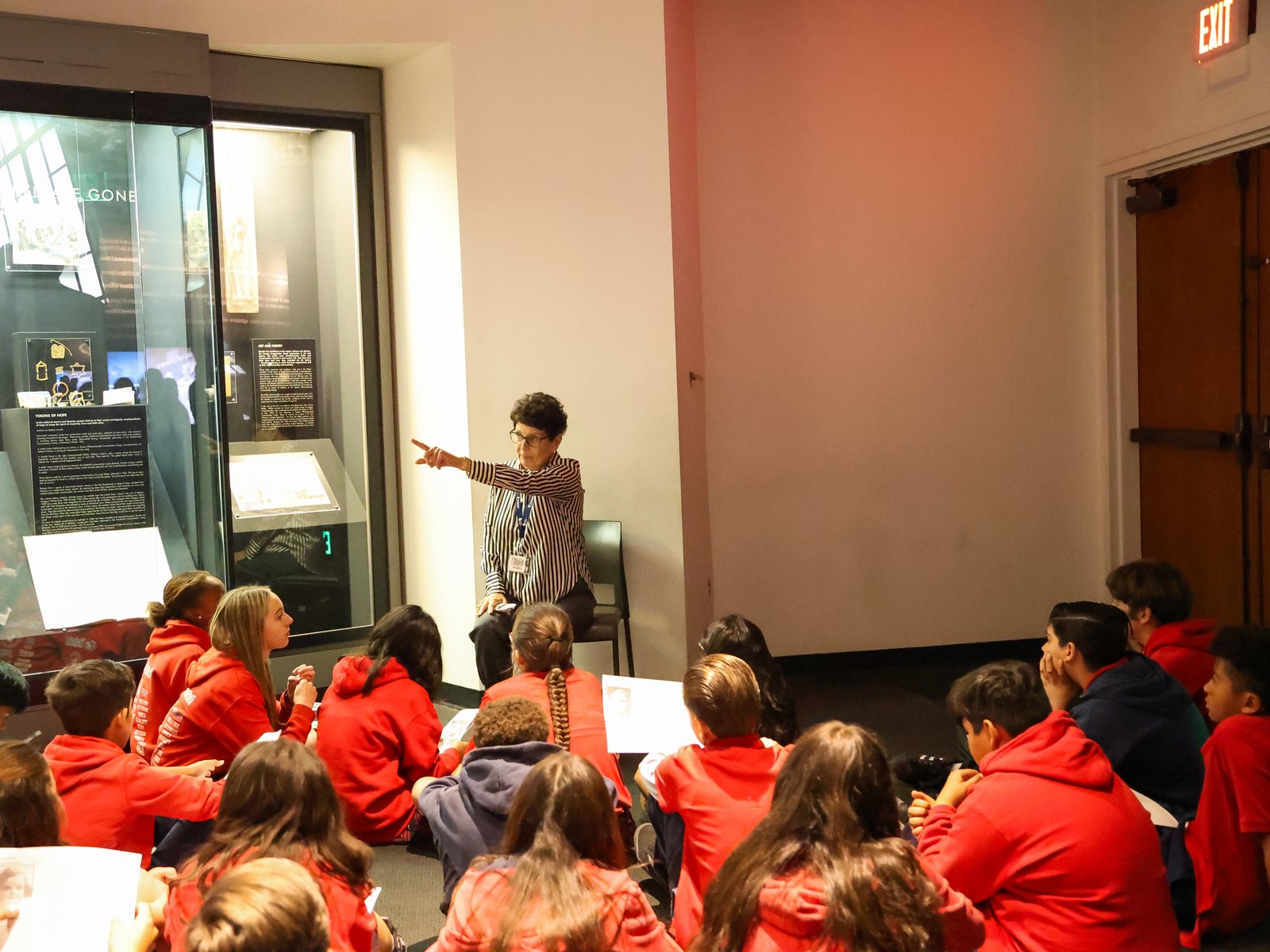
The Museum of Tolerance was founded by the Simon Wiesenthal Center, a renowned Jewish human rights organization honoring the legacy of Simon Wiesenthal, the legendary Nazi hunter. Dedicated to justice and tolerance, the Center created the Museum to address growing Holocaust denial and foster tolerance. Since then our reach has expanded past the doors of the museum in Los Angeles serving communities across the country. Our museums are designed as interactive spaces to inspire action with interactive media and immersive exhibits and experiences engaging visitors and initiating conversations about injustice and oppression around the Holocaust. Our commitment to upholding this history is demonstrated through our utilization of first-hand accounts and testimony, primary sources, and evidence. At the core of our approach is our commitment to humanity as it is impossible to fully understand the magnitude of this historical atrocity without first recognizing the rich, diverse, and deeply rooted communities that existed across Eastern and Western Europe for centuries.
Tolerance Education
The Museums of Tolerance recognize that tolerance is a learned skill that involves recognizing and respecting aspects of others’ identities, affirming their right to exist and be treated with dignity–serving as a key stepping stone toward valuing and embracing differences.