
Structural literacy
History is a living system. The structures that produced past harm didn’t dissolve when those events ended — they adapted, and they’re still operative, in the policies, procedures, and silences that shape the present.
The capacity to read them is what we call structural literacy: recognizing, in the world around you, the shapes you’ve only ever met in the past tense. A policy that sorts. A procedure that excludes. A silence no one questions anymore. Whatever your role in a school — teaching, counseling, leading, scheduling, shaping the policies everyone works inside — learning to see these before they harden into “just the way things are” is the work this program builds.
The world was made by ordinary people. It can be made differently.
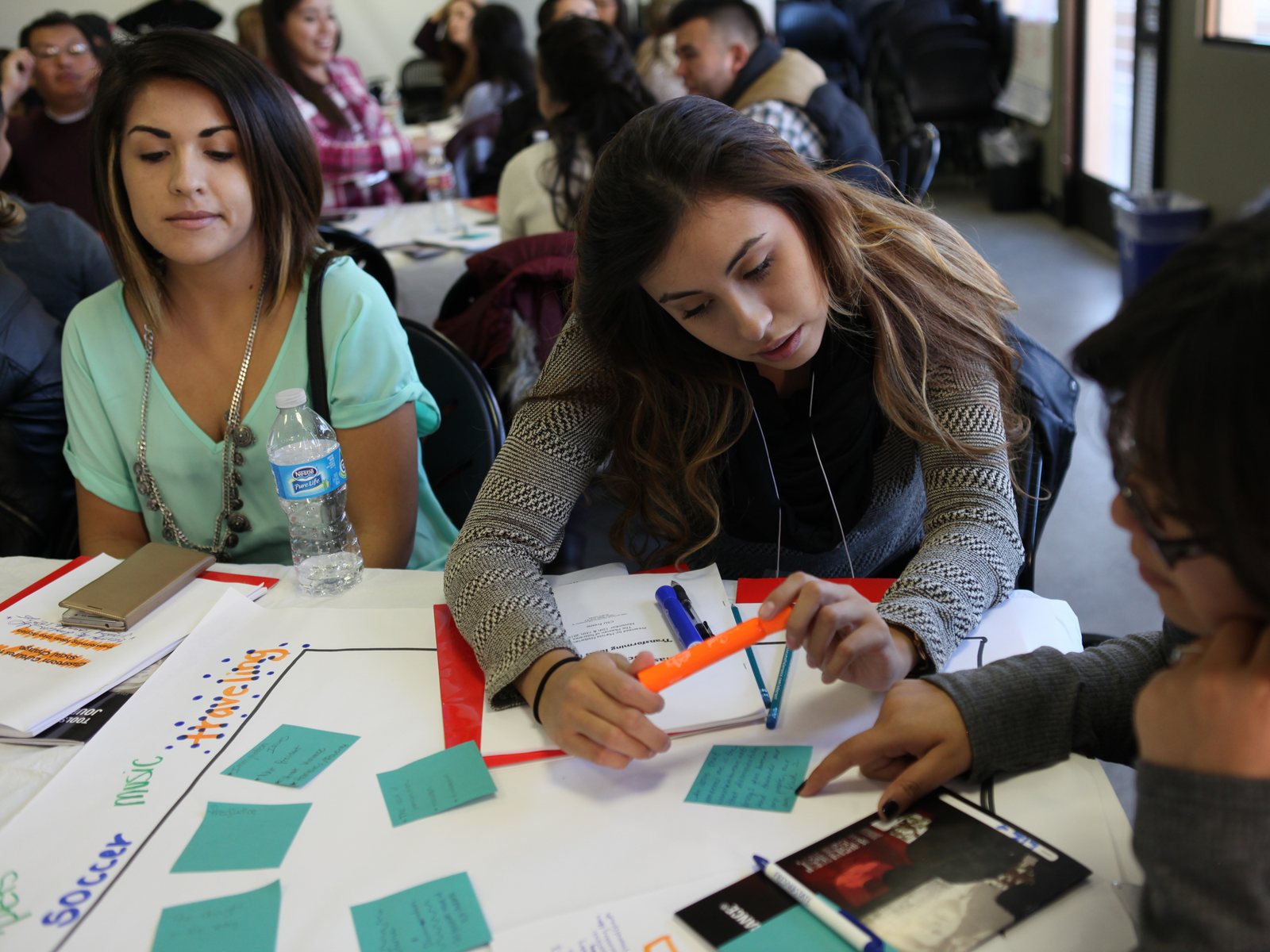
And it’s built the way MOT has taught since we opened. We begin in story — testimony as the entry point, the individual life that refuses to be abstracted. Primary sources ground it in evidence: the records of what institutions actually did, and what ordinary people actually chose. Dialogue isn’t how we process the learning; it’s how we learn. And when something lands emotionally, we don’t move past it — feelings are information, and they often know something the analysis hasn’t named yet.
Seeing differently changes how you work — and your work, whatever your seat, reaches students. You sit where a category on a form becomes a decision about a child’s future, where a policy becomes someone’s daily experience. That proximity isn’t a limitation — it’s the most precise knowledge there is, and no outside expert has it. The shift shows up in the policy you’d reconsider, how a grade-level team makes its decisions, the meeting where something finally gets named. Every role carries its own responsibility to a legacy of structural harm still shaping the students and communities in the building — and the choices made in each seat either carry that legacy forward or interrupt it.
You leave with usable things — frameworks to work from, resources to bring to students and colleagues. But the resources aren’t the point; the shift underneath them is. A different relationship to the role you hold, and to your own place inside a history your school is still living out. The resources make the work portable. The shift is what makes them worth carrying.
Story first, then structure
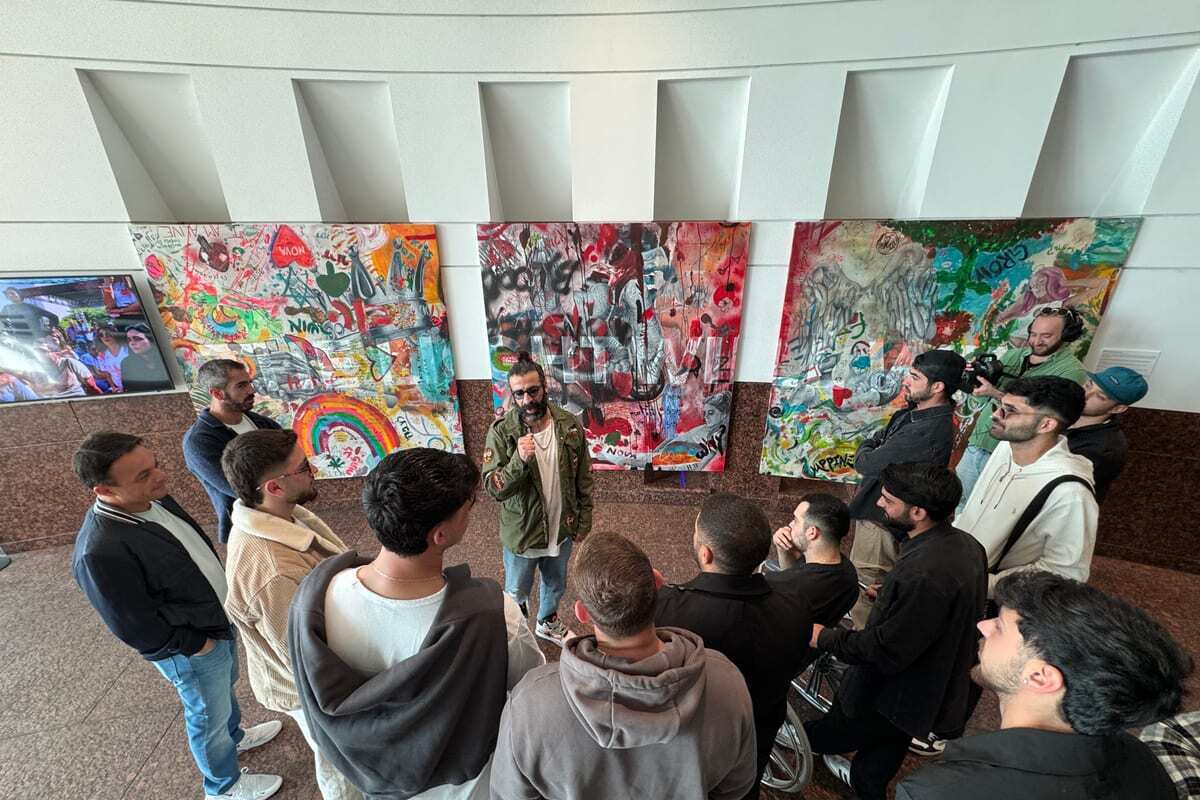
We begin in story, with survivor testimony. The exhibits and primary sources are tools for structural analysis, not backdrop. Dialogue is how we learn, and emotion is treated as information, not something to move past.
Where to start
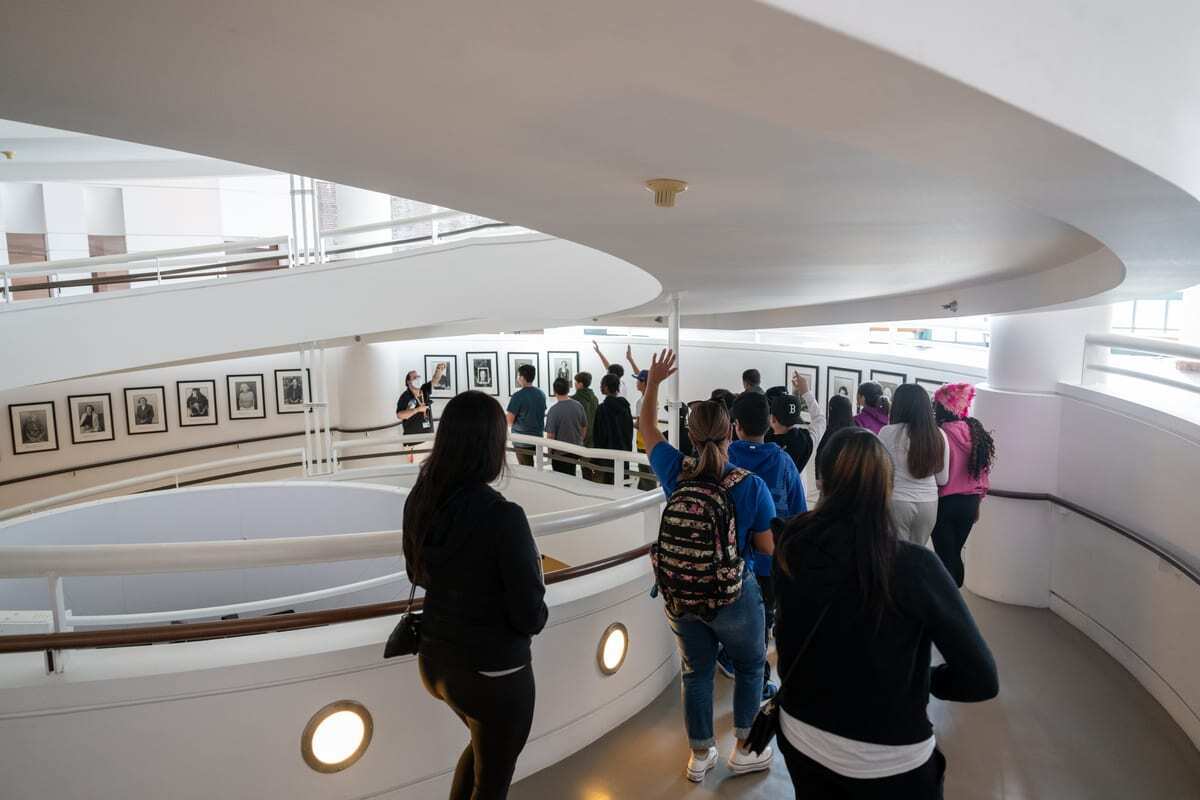
Professional learning
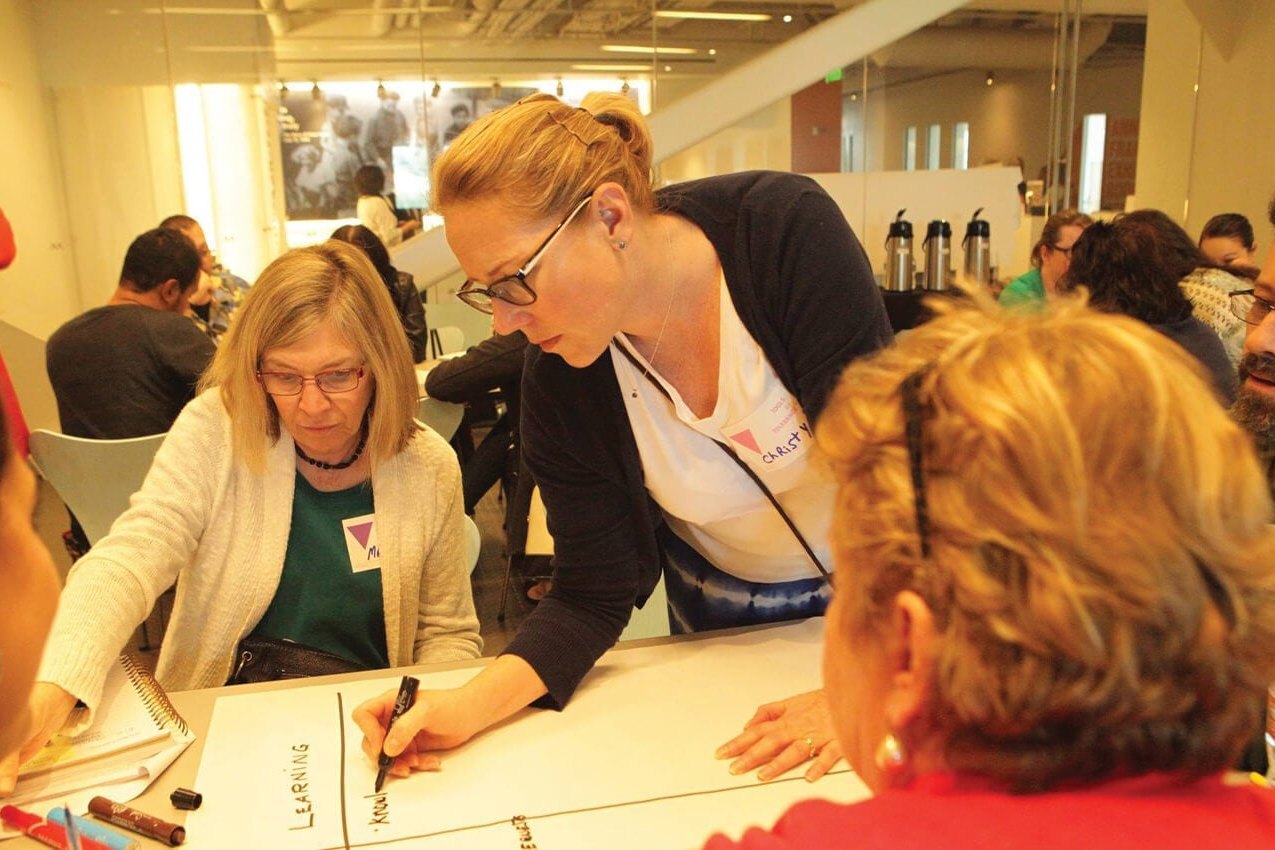
Three courses in structural literacy, taken on their own or in sequence.
See the courses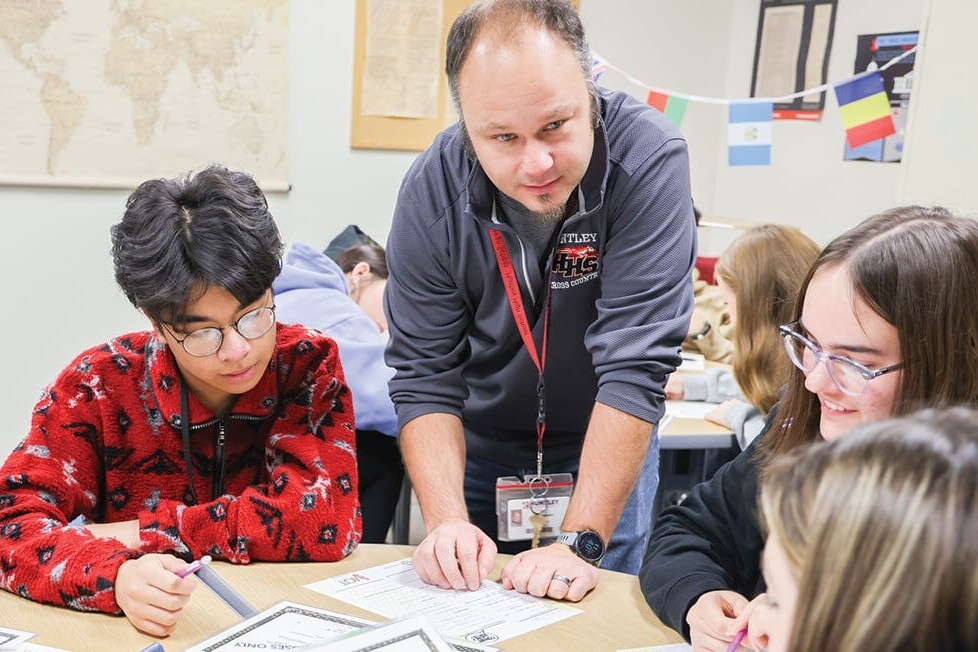
Lesson plans
Classroom-ready plans to preview and download.
Open the library
Classroom resources
Discussion guides, handouts and supporting material.
Browse resources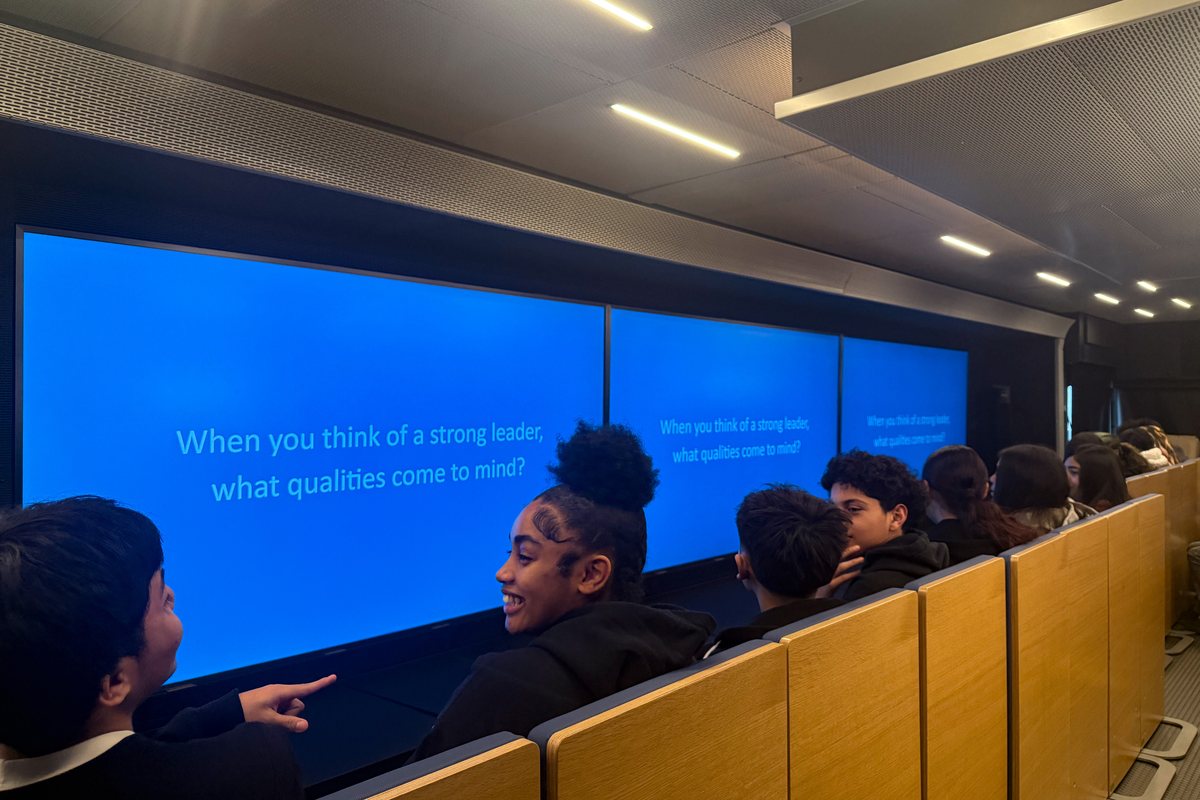
Online learning
Guided digital modules you can run with a class.
Browse modulesWe won’t claim to dismantle racism or antisemitism in a workshop. The honest claim is smaller, and truer: how you see your world — and your place in it — can change. And when it changes alongside others, something moves that no one shifts alone.
Start where you stand.
You already sit where structure becomes someone’s experience — a form, a policy, a referral, a room. That isn’t a limitation; it’s the most precise vantage there is. Whatever your role, wherever you are in California, in person or online — the program meets you there. And it travels best in company: bring the people you work alongside with you.