Chapter 6
To Be
Accepted
Yes.
You helped me remember.
I am Tapestry.
I remember
the young woman.
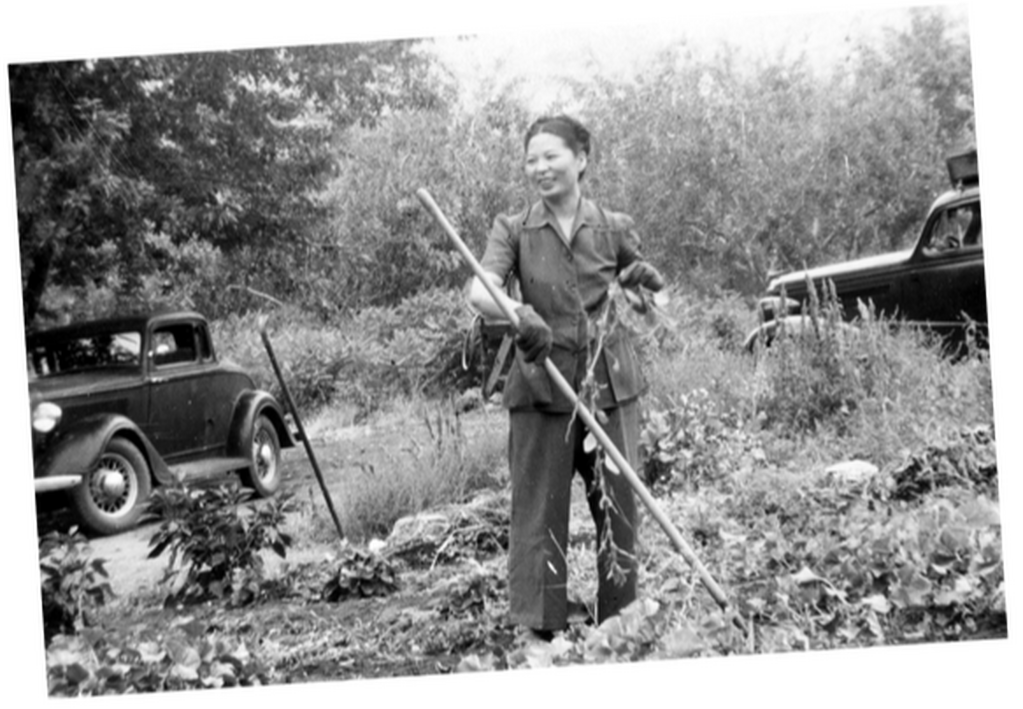
Peggie
|

|
1941.
World War II.
Japan attacks Pearl Harbor.
With mistrust,
with prejudice,
with the goal of economic gain,
many scapegoat
the Japanese community,
here at home.
They call it “removal.”
They call it “relocation.”
Some neighbors
- with suspicion, with fear -
look away.
Some neighbors
- with compassion, with love -
choose to help.
1942.
Peggie
- a mother now -
with her family.

|
Along with
|
Forced from their homes.
These are not
“internment camps.”
These are not
“relocation centers.”
Peggie
and her children,
forced into
the prison camp
in Tule Lake, California.
Approximately 120,000 people
of Japanese descent,
Incarcerated.
Camps built,
under duress,
with their own hands.
Prison camps
built on
stolen
Native lands.
The land,
soaked with their tears,
buckles under layers of pain.
Pain on pain.
Harm on
harm.
Peggie and her children,
forcibly transferred to
the Minidoka prison camp in Idaho.
Forced to work.

|
Small
|
Empty
stomachs.
Peggie
tries
to build
a sense of
normalcy,
to feel free.
|

|
Yet, Peggie longs for freedom.
She is not a threat.
They were never a threat.
The U.S. has always
been their home.
But after they are allowed
to go free,
they discover
their homes
have been vandalized.
Their lands, stolen.
Many cannot return.
Japanese American survivors,
displaced again.
Peggie
holds onto
her memories.
Their farm.
Their home.